

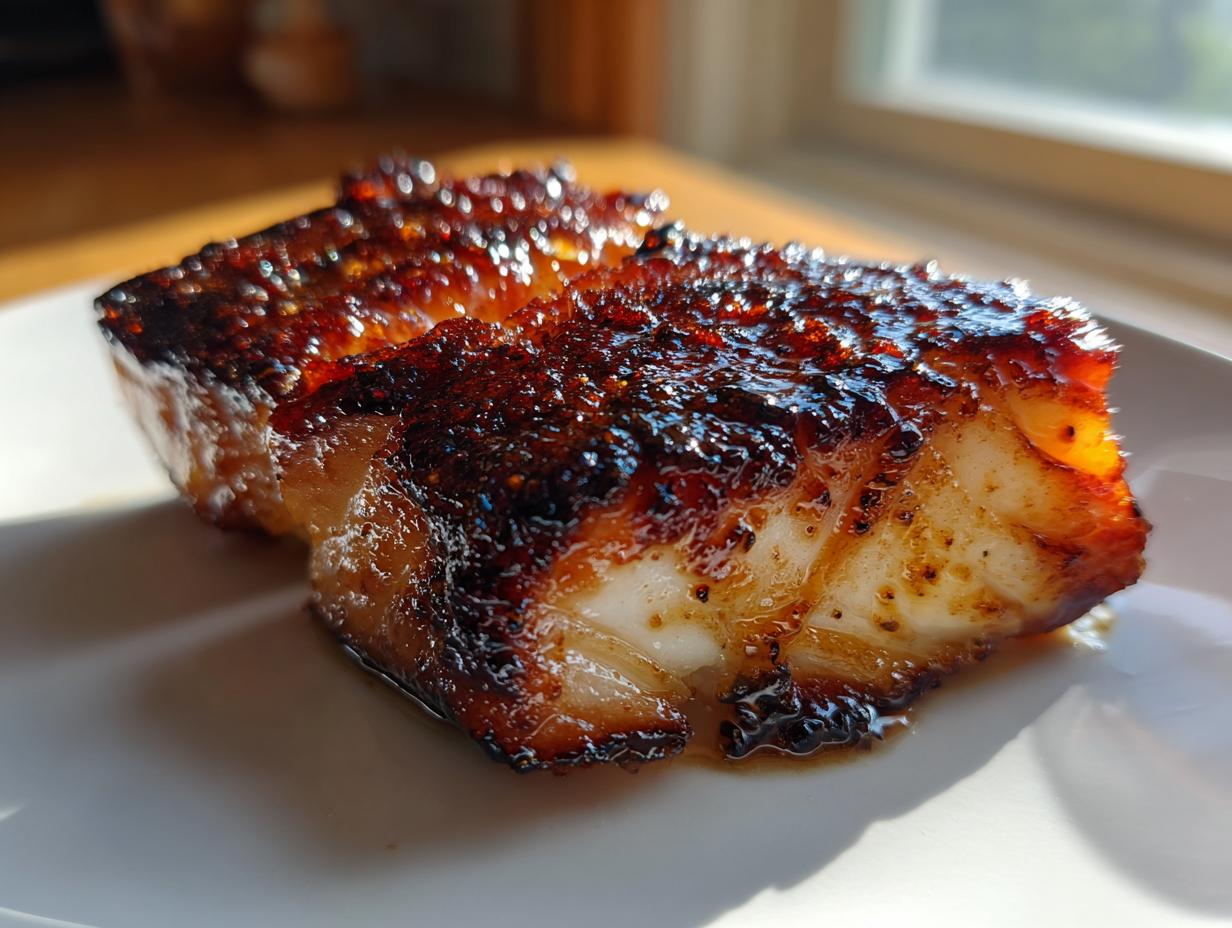
We all deserve food that tastes like we spent hours crafting it, even when we realistically only have thirty minutes before we’re totally exhausted. That’s the Cheffinity promise! I’m Ava Sinclair, and I created this space because my mom, a nurse working crazy shifts, taught me that gourmet shouldn’t mean complicated. It should just mean wholesome and delicious. This super simple method for our miso glazed chilean sea bass recipe brings that incredible, buttery, umami-packed flavor right to your weeknight table. Forget the fancy reservations; we’re making restaurant magic happen tonight with minimal fuss, guaranteed.
- Why This Miso Glazed Chilean Sea Bass Recipe Delivers Flavor
- Ingredients for Your Miso Glazed Chilean Sea Bass Recipe
- Making the Easy Miso Glaze Flavor
- Preparing and Marinating Marinated Fish Fillets
- Step-by-Step Instructions for Your Miso Glazed Chilean Sea Bass Recipe
- Expert Tips for the Best Chilean Sea Bass Recipes
- Serving Suggestions for Your Miso Glazed Sea Bass
- Storage and Reheating Instructions
- Frequently Asked Questions About This Gourmet Seafood Recipe
- Estimated Nutritional Data for Healthy Baked Fish Dinner
- Share Your Savory Sweet Glazed Fish Creations
Why This Miso Glazed Chilean Sea Bass Recipe Delivers Flavor
When you taste this fish, you instantly know it’s special. It’s not just about searing a nice fillet; it’s about how the glaze transforms everything. We’re aiming for that perfect, melt-in-your-mouth flakiness that you usually only see at top-tier spots. My goal here is always that incredible savory-sweet dance on your tongue.
- The texture is unbelievably delicate; the natural fat in the sea bass holds up beautifully to the marinade.
- The baking and brief broil ensures the fish cooks evenly without drying out.
- That caramelized top layer? That’s pure restaurant magic right there!
Achieving the Perfect Umami Rich Fish Dishes
The secret here, truly, is the duo of miso paste and mirin. Miso gives you that deep, earthy savoriness—that umami punch—that makes simple dinners taste complex. Mirin, the sweet rice wine, balances it perfectly so the sugar caramelizes instead of burning immediately. It’s this specific flavor architecture that pushes this into the realm of amazing Umami Rich Fish Dishes. If you love using marinades to build deep flavor, you should definitely check out my guide on the best chicken marinade for juicy flavor; the principles of balance are very similar!
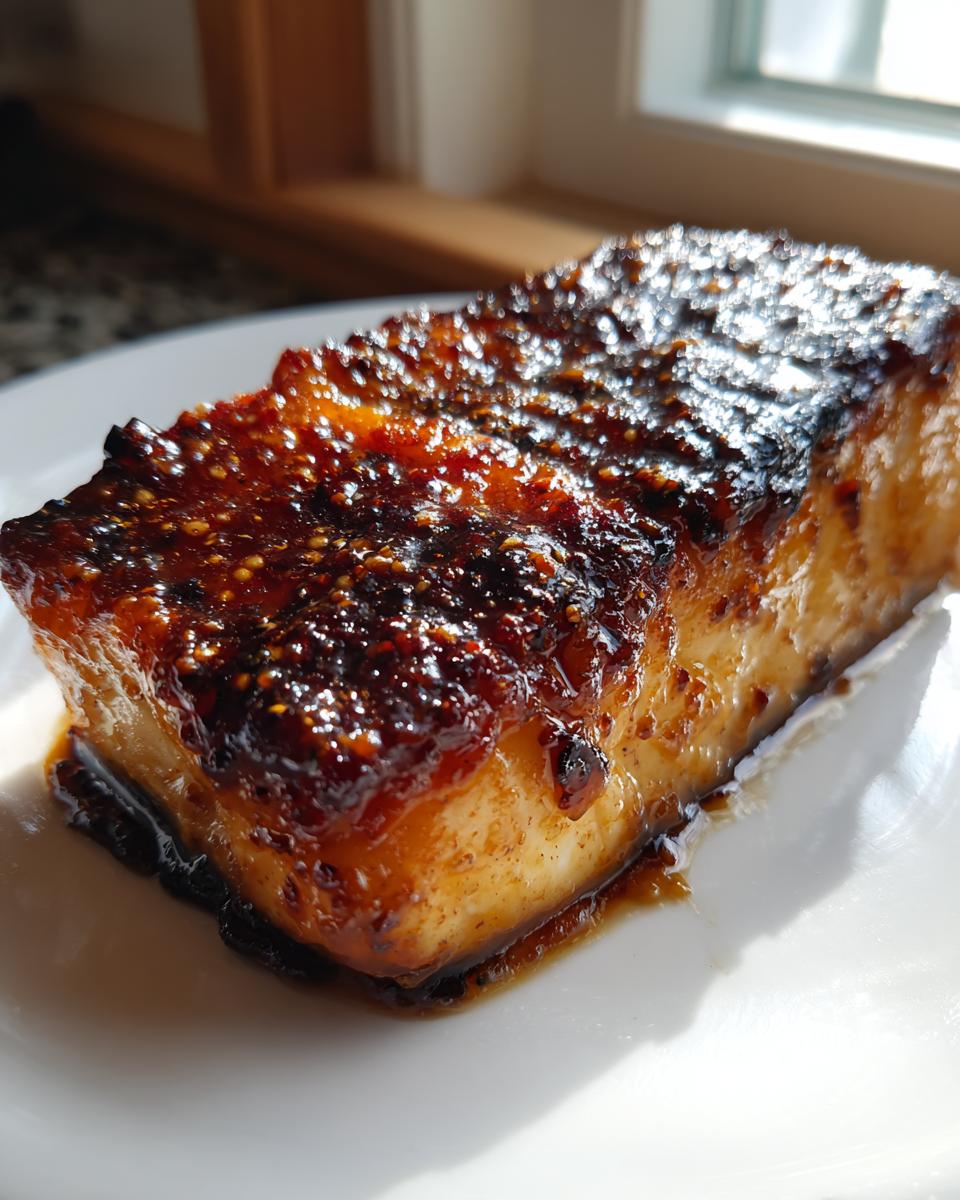
Ingredients for Your Miso Glazed Chilean Sea Bass Recipe
Getting this right means using quality ingredients, especially for that beautiful fish. Don’t try to skimp on the sea bass; it’s worth the splurge because the fat content keeps it tender. Trust me, the texture difference is HUGE. Here is exactly what you need laid out for your shopping list.
- 4 (6 ounce) Chilean Sea Bass fillets, about 1 inch thick
- 1/2 cup white miso paste
- 1/4 cup mirin (that sweet rice wine!)
- 2 tablespoons sake
- 2 tablespoons granulated sugar
- 1 tablespoon soy sauce
- 1 teaspoon sesame oil
- Pinch of white pepper
When you’re at the fish counter, look for thick, pearly white fillets. If they smell ‘fishy’ at all, walk away. We want that clean, fresh scent. Getting good quality sea bass is honestly half the battle won for success with any of the Chilean Sea Bass Recipes out there!
Making the Easy Miso Glaze Flavor
Okay, people, this is where the magic happens, and it’s honestly the quickest part of the whole process! Whip up this glaze while your fish is getting out of the fridge—it barely takes five minutes. I call this the cornerstone of Easy Miso Glaze Flavor because we aren’t simmering anything, we’re just combining power players in a bowl. You need to whisk everything together vigorously until that sugar utterly disappears, trust me on this point.
If the sugar isn’t completely dissolved, you’ll end up with crunchy bits on your beautiful fish when you broil it, and nobody wants that! We want smooth, velvety coating, not a grainy mess.
Tips for Sourcing Miso Paste
When grabbing your miso paste, you’ll see a bunch of colors, but for this specific sea bass application, you absolutely want the white stuff—it’s called Shiro miso. It’s paler and milder. Red miso (Aka) is super salty and fermented longer, which can easily overpower the delicate sea bass, especially while the fish is resting overnight.
Shiro miso gives you that subtle sweetness and perfectly complements the mirin without fighting the subtle flavor of the fish itself. Always check the label to make sure you’re grabbing the Shiro! It makes all the difference in keeping this firmly in the realm of gourmet without needing a specialty Japanese grocery store trip.
Preparing and Marinating Marinated Fish Fillets
This step feels like waiting, which is the hardest part of cooking, but it is non-negotiable if you want that restaurant punch! We need time for those wonderful salty-sweet flavors to sink deep into the flesh of the Chilean sea bass. You must use a non-reactive dish for this part—so glass or ceramic is perfect. Don’t use metal containers; we don’t want the acids in the marinade reacting with the pan, it can ruin the flavor and texture.
The absolute minimum time you should let these fish sit is four hours in the fridge. I know, I know, four hours feels like forever when you’re hungry! But to really do justice to the flavor saturation—to get those beautiful Marinated Fish Fillets—you really need to aim for overnight if you can swing it. We are talking about 10 to 12 hours if possible. It makes such a tangible difference to the final outcome.
When I make my Korean marinated eggs, which also require long marination times, I stress the importance of patience because flavor takes time to build. You can see the logic behind the wait in that recipe, and it applies perfectly here for your easy marinated eggs too! Just remember to cover the dish tightly before it goes into the cold!
Step-by-Step Instructions for Your Miso Glazed Chilean Sea Bass Recipe
Alright, time to cook! This entire process is super fast once your fish has finished its overnight nap in the marinade. Remember, the goal here is that buttery texture everyone raves about—we need to treat this delicate fish right to secure that Perfectly Cooked Sea Bass.
First things first: get your oven hot. Preheat it to 400 degrees Fahrenheit. I always line my baking sheet now with parchment paper or foil. It’s not just for easy cleanup, although that’s a huge bonus; lining the pan stops the bottom glaze from sticking and burning onto the metal, which can make the fish taste bitter. Trust me, Ava Sinclair learned that the hard way!
Next, take your fillets out of the marinade. This feels counterintuitive, but you must gently wipe off the excess glaze. Too much wet sugary glaze sitting on top means it will scorch under the high heat before the fish even has a chance to cook through. We save half the glaze for later!
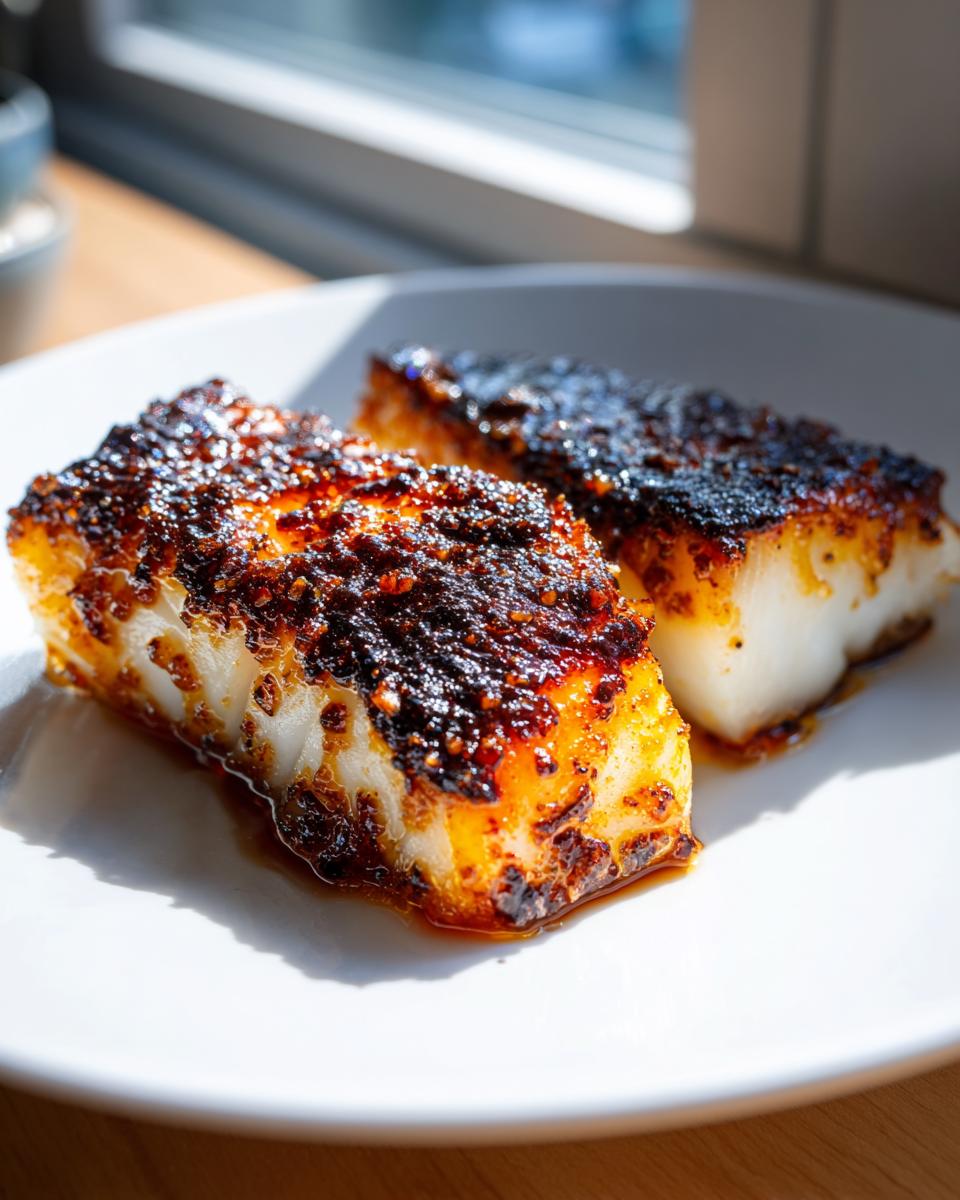
Lay the fish skin-side down on your prepared sheet. Pop it into the 400-degree oven for about 10 minutes. You’re looking for it to firm up slightly. If you prefer a bit more crust while it bakes, you can check out how I handle my salmon crusts for inspiration, even though this is sea bass: best salmon texas roadhouse style baked recipe.
Baking and Broiling for Optimal Color
Once the 10 minutes are up, pull the pan out. Now, brush on that reserved glaze quickly. This layer is what gives us that beautiful, shiny, mahogany color. Switch your oven setting to broil—high heat! Put the fish back in, but seriously, stand right there. Broiling is fast, and that sugar content means it goes from golden brown to black ash in about thirty seconds flat. You only need 2 to 4 minutes here, watching constantly until you see those little bubbles caramelizing perfectly. When you poke it gently with a fork, the flesh should flake apart beautifully—that’s the sign of your Perfectly Cooked Sea Bass!
Alternative: Pan Seared Sea Bass Glaze Technique
If you happen to be using a skillet that’s safe to put in the oven—like cast iron—you can absolutely start on the stovetop first. Heat a tablespoon of neutral oil in the oven-safe skillet over medium-high heat. Sear the fish skin-side down for about 3 minutes to get a nice, crisp skin crust. Then, brush on your reserved glaze and immediately transfer the entire skillet into that hot oven to finish baking at 400 degrees. This gives you a lovely contrast: crispy skin and the buttery interior, which is fantastic for delivering that maximum Pan Seared Sea Bass Glaze experience.
Expert Tips for the Best Chilean Sea Bass Recipes
Look, I know Chilean Sea Bass can be pricey or sometimes just impossible to track down when you need it for dinner tonight. That’s okay! My job here at Cheffinity is to give you reliable solutions, not roadblocks. Handling this type of fish is all about respecting its natural texture—it’s very soft and rich, so you have to be firm but gentle during prep and cooking.
Don’t overwork the fillets when you’re wiping off that excess first layer of marinade! You want to pat, not scrub. If you handle it too much, it starts to break apart before it even hits the heat, and that’s just tragic when you’ve invested in good quality fish. We aim for gorgeous, intact fillets!
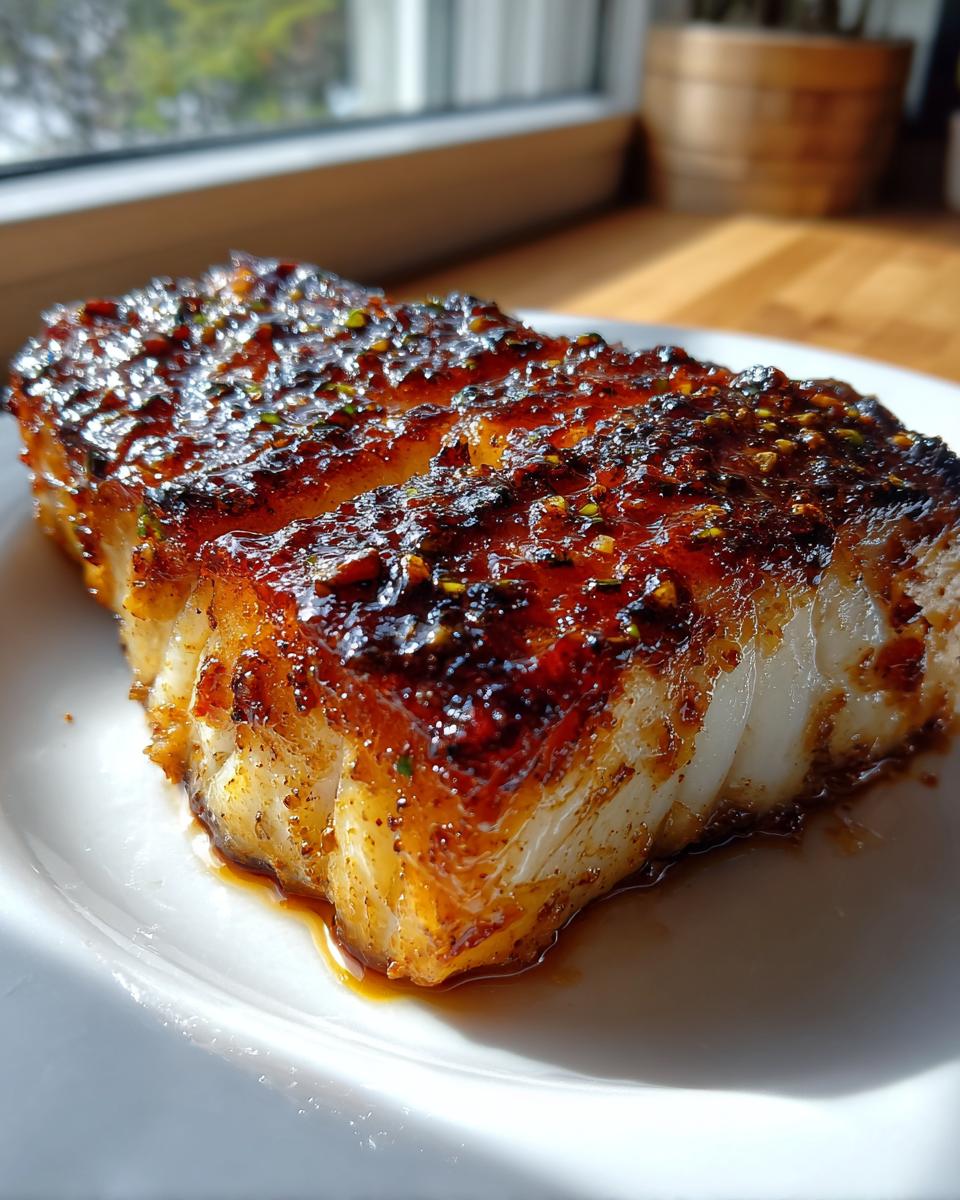
If you’re looking for a reliable way to practice handling rich, delicate seafood, make sure you check out my instructions for easy stuffed salmon recipe. It teaches a similar gentle folding technique that will boost your confidence enormously when dealing with flaky fish.
Understanding Black Cod with Miso Substitution
If the star ingredient isn’t available, don’t panic and switch to something lean like tilapia! That won’t work because the heavy miso glaze needs fat underneath it to prevent burning and to achieve that famous buttery texture. The absolute best substitute, and the one chefs use when they can’t get sea bass, is black cod—also called Sablefish. Why black cod? Simple: it has an incredibly high natural fat content, just like sea bass.
Because it’s fatty, it stays incredibly moist, even with that sugary glaze caramelizing on top. It accepts the marinade just as beautifully, giving you that decadent, rich mouthfeel that makes these Black Cod with Miso dishes so popular. You generally don’t need to adjust the cooking time much either, which is a huge bonus for your weeknight rhythm!
Serving Suggestions for Your Miso Glazed Sea Bass
Now that you’ve managed to pull off one of the absolute best Miso Glazed Sea Bass dishes imaginable, you can’t ruin it with dull side dishes, right? The flavor profile here is so rich—savory, slightly sweet, and incredibly deep—that we need something simple to let that fish shine. You don’t want heavy sauces competing with that gorgeous glaze.
I always default to simple steamed white rice. It’s perfect for soaking up any little bits of extra glaze that run off the fish onto your plate. Sometimes, it’s just the best vehicle for that amazing flavor!
For greens, keep it light and slightly bitter to cut through the richness of the sea bass. Lightly blanched asparagus is always a winner, or maybe some quick-sautéed sugar snap peas with just a tiny splash of sesame oil. If you want a side that’s a bit more satisfying but still cooks quickly, you have to check out my recipe for rice pilaf ultimate fluffy homemade orzo. It’s comforting, takes minimal effort, and feels just a touch more elevated than plain white rice, perfect for a gourmet night!
Honestly, when the fish is this good, the sides just need to be supportive actors, not the headline stars. Keep it clean, keep it quick, and enjoy every single buttery bite!
Storage and Reheating Instructions
I hope you have leftovers because this tastes amazing the next day, but you have to treat it right when you bring it out of the fridge! Get any extras into an airtight container right away and keep them cold. Don’t leave that glazed fish sitting out; we need to be smart about food safety.
When reheating, please, please put the microwave away. The high sugar in that glaze will turn rubbery or scorch instantly in the microwave. Instead, I recommend a tiny bit of oil in a non-stick pan over medium-low heat. Just warm it gently until it’s heated through and the surface looks a little moist again. It takes almost no time, and it keeps the texture perfectly flaky!
Frequently Asked Questions About This Gourmet Seafood Recipe
Okay, I know when you’re making a showstopper like this, questions always pop up. It’s totally normal when you venture into Gourmet Seafood Recipes! I’ve gathered up the ones I hear most often from busy cooks trying to nail the texture perfectly. If you have more specific timing questions, feel free to drop them in the comments later, but let’s tackle these main ones first!
How long can I safely marinate the fish?
While I absolutely rave about overnight marinating for the best flavor saturation, you can’t push it forever, especially with the salt content from the miso and soy sauce. For food safety, you really shouldn’t push past 12 hours, even though I love the richer flavor it gives, like when I prep my healthy lunch recipes the night before. If you’re worried about the fish getting too salty or starting to break down from the acid/salt, stick strictly to 8 hours maximum. Four hours is the bare minimum for flavor to even begin penetrating.
Can I make this Nobu Style Sea Bass ahead of time?
Yes, you totally can prep components ahead of time, which is the key to keeping things easy! You can mix the entire miso glaze right now—store it in an airtight jar in the fridge, and it lasts great for up to a week. But here’s the important part: don’t marinate the fish until about 4 to 12 hours before you plan to cook it. Pre-glazing the raw fish and keeping it that way for days means the texture suffers. Make the glaze ahead, but apply it right before you need to bake this beautiful Nobu Style Sea Bass.
What temperature should the fish reach?
If you have an instant-read thermometer, this is your best friend for guaranteeing perfection without guessing! For Chilean Sea Bass or Black Cod, you are looking for an internal temperature of 145 degrees Fahrenheit at the thickest part. However, because we take it out of the oven and then broil it briefly, I usually pull it when the internal temp hits about 140 degrees Fahrenheit. The residual heat will push it that last little bit while the glaze caramelizes, ensuring it’s flaky and not overcooked. If you don’t have a thermometer, always check for that easy flake test with a fork!
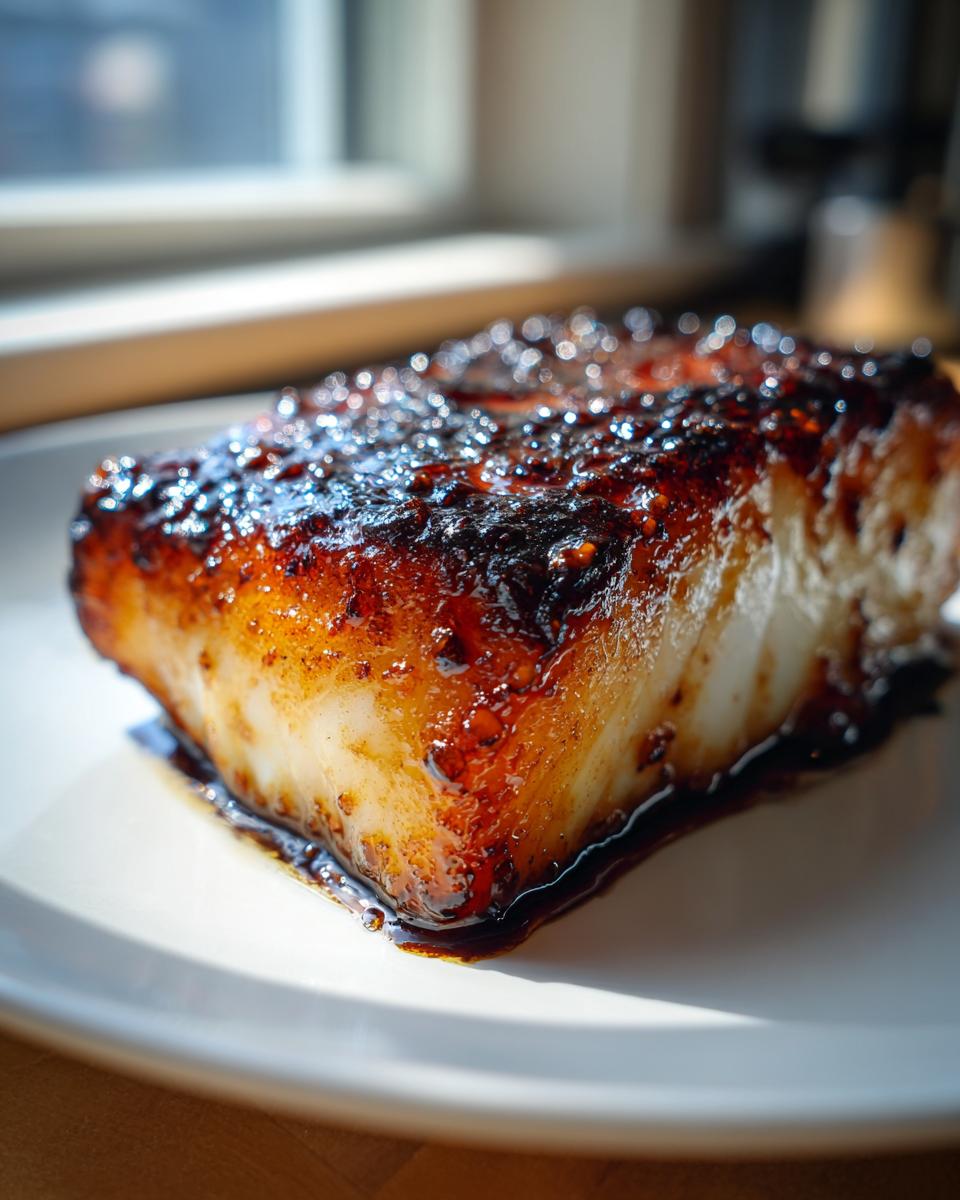
Estimated Nutritional Data for Healthy Baked Fish Dinner
I always like to give you an idea of what’s going into your body when you make one of my streamlined recipes. Even though this is a truly Gourmet Seafood Recipe, it’s surprisingly light and fits perfectly into a balanced diet! This is why I love making great seafood at home—you know exactly what you’re getting.
Keep in mind, these numbers are estimates based exactly on the ingredients listed here, assuming 4 equal servings. Remember, if you use less sugar in your glaze or skip the rice side dish, your numbers will change!
- Serving Size: 1 fillet
- Calories: 350
- Protein: 32g
- Fat: 18g (and mostly good fats too!)
- Carbohydrates: 15g
- Sodium: 650mg
Because this is a Healthy Baked Fish Dinner, I love that the fat content comes mostly from the sea bass itself, which is rich in those good omega-3s. The sodium is slightly higher because of the soy sauce and miso, but it’s worth it for the incredible flavor punch! Eat well and enjoy!
Share Your Savory Sweet Glazed Fish Creations
I’m so proud of you for tackling this recipe! Making incredible seafood at home is such a huge confidence booster, and this Savory Sweet Glazed Fish is definitely a showstopper. Once you’ve sat down and enjoyed that fork-tender, buttery fillet, I truly want to hear what you thought!
Seriously, don’t be shy! Pop down into the comments below and give this recipe a rating. Five stars if you loved the caramelization and the ease of the process—I’m always hoping to hear that this made your weeknight menu something special!
Did you stick with the asparagus? Did you opt for the pan-seared finish? Or maybe you tried serving it over your favorite steamed greens? Every little bit of feedback helps the whole Cheffinity community, and I genuinely love seeing your successes in the kitchen. If anything wasn’t perfectly clear in the steps—like maybe how dark you dared to go under the broiler—ask away!
If you ever need to reach out directly with a specific question that feels too detailed for the comments, you can always send a quick note through our contact page at contact. But for all general feedback and star ratings, the comment section is the best place to connect. Happy cooking, and I can’t wait to read about your gorgeous sea bass!
PrintMiso Glazed Chilean Sea Bass Recipe
Make restaurant-quality Miso Glazed Chilean Sea Bass at home with this simple recipe. The rich, savory glaze pairs perfectly with the flaky fish.
- Prep Time: 15 min
- Cook Time: 15 min
- Total Time: 30 min
- Yield: 4 servings 1x
- Category: Dinner
- Method: Baking and Broiling
- Cuisine: Japanese Inspired
- Diet: Low Fat
Ingredients
- 4 (6 ounce) Chilean Sea Bass fillets, about 1 inch thick
- 1/2 cup white miso paste
- 1/4 cup mirin (sweet rice wine)
- 2 tablespoons sake
- 2 tablespoons granulated sugar
- 1 tablespoon soy sauce
- 1 teaspoon sesame oil
- Pinch of white pepper
Instructions
- Prepare the Miso Glaze: In a small bowl, whisk together the white miso paste, mirin, sake, sugar, soy sauce, sesame oil, and white pepper until the sugar dissolves and the mixture is smooth.
- Marinate the Fish: Place the Chilean Sea Bass fillets in a shallow dish. Spread half of the miso glaze evenly over the top of the fish. Cover the dish and refrigerate for at least 4 hours, or preferably overnight, for the best flavor. Reserve the remaining glaze.
- Preheat Oven and Prepare Pan: Preheat your oven to 400 degrees Fahrenheit (200 degrees Celsius). Line a baking sheet with parchment paper or aluminum foil for easy cleanup.
- Cook the Fish: Remove the fish from the marinade, gently wiping off any excess glaze so it does not burn too quickly. Place the fillets skin-side down on the prepared baking sheet.
- Bake: Bake for 10 minutes. Remove the pan from the oven. Brush the tops of the fillets with a thin layer of the reserved miso glaze.
- Broil for Color: Switch the oven setting to broil (high). Return the fish to the oven and broil for 2 to 4 minutes, watching constantly, until the glaze is caramelized and slightly browned. The fish should flake easily with a fork when done.
- Serve Immediately: Remove the fish from the oven and serve right away.
Notes
- If you cannot find Chilean Sea Bass, black cod (sablefish) is an excellent substitute for this preparation.
- For a pan-seared finish, sear the fish skin-side down in an oiled, oven-safe skillet for 3 minutes, then transfer the skillet to the 400 degree oven to finish cooking.
- This dish pairs well with steamed rice and lightly blanched asparagus or bok choy.
Nutrition
- Serving Size: 1 fillet
- Calories: 350
- Sugar: 12
- Sodium: 650
- Fat: 18
- Saturated Fat: 3
- Unsaturated Fat: 15
- Trans Fat: 0
- Carbohydrates: 15
- Fiber: 1
- Protein: 32
- Cholesterol: 85