

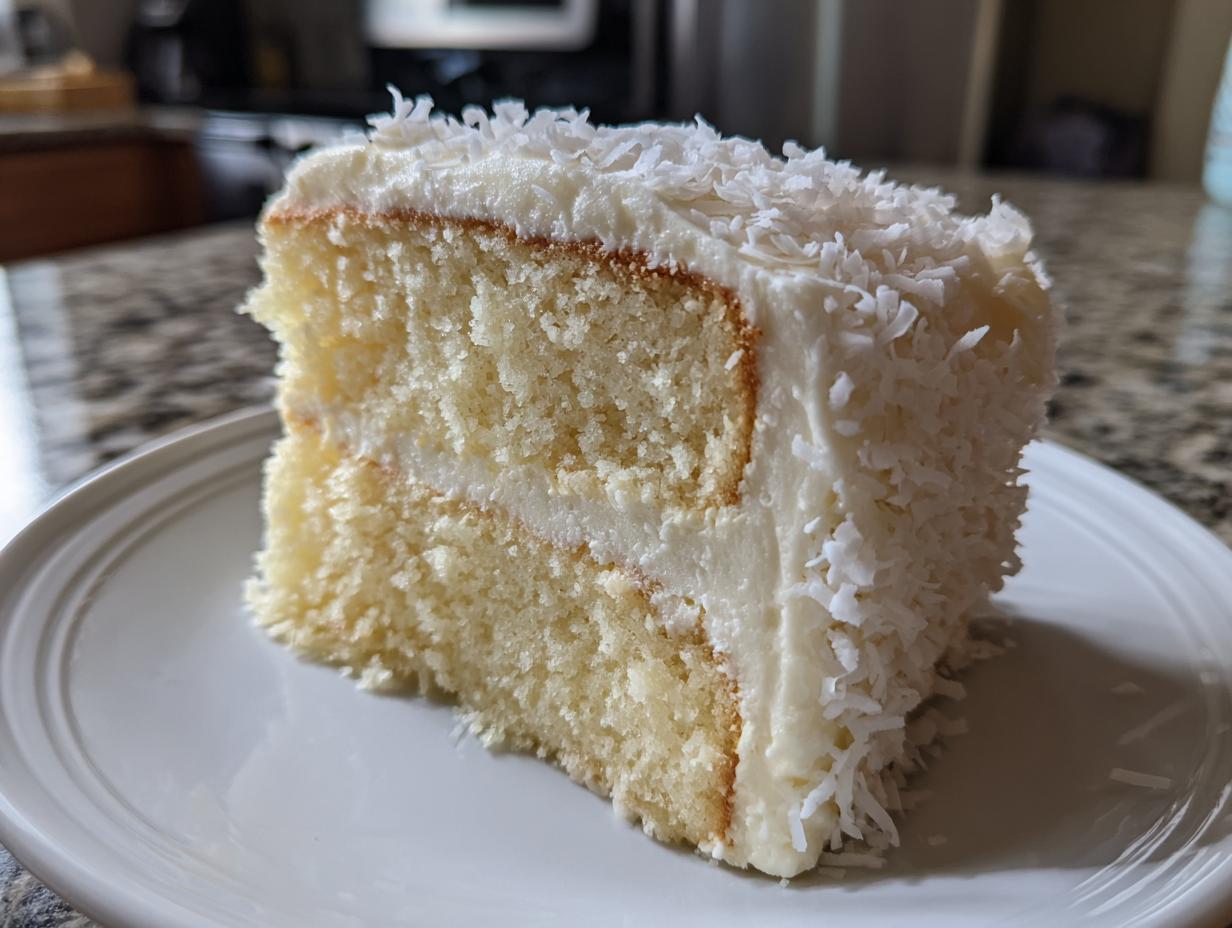
If you’re anything like me, sometimes you just need a moment of pure, sweet escape from the Tuesday afternoon mayhem. We spend so much time solving the weeknight dinner puzzle that when it comes time for dessert, we often settle for something store-bought or just… fine. But not today! Today, we’re reclaiming that tradition with what I absolutely guarantee is the best coconut cake recipe you will ever try. Forget dry, crumbly disappointments; this is my ultimate guide to making a moist and fluffy homemade coconut cake from scratch.
When my schedule gets tight, baking something truly comforting is my reset button. This particular coconut cake recipe is inspired by those Southern ladies who always had an extra layer of kindness baked right into their treats. It uses simple, real ingredients but brings this rich, tropical vibe to your table, making any average day feel like a mini-celebration. Trust me, once you make this coconut layer cake, you’ll never look back. It’s comfort, efficiency, and incredible flavor all wrapped up perfectly.
We’re going straight for that signature texture—fluffy layers that practically melt with every bite, paired with a dreamy, tangy frosting. This recipe is designed to deliver bakery results without demanding hours of your time. You can find more of my favorite sweet treats over here at our dessert collection, but stick with me, because this coconut cake is where it’s at!
- Why This Coconut Cake Recipe Delivers Moist and Fluffy Results
- Gathering Ingredients for Your Homemade Coconut Cake Recipe
- Step-by-Step Instructions for the Best Coconut Cake Recipe
- Tips for Success with Your Coconut Cake Recipe
- Variations on the Classic Coconut Cake Recipe
- Serving Suggestions for Your Tropical Cake Dessert
- Storage and Reheating Instructions for Coconut Cake Recipe Leftovers
- Frequently Asked Questions About This Coconut Cake Recipe
- Nutritional Estimate for This Homemade Coconut Cake
- Nutritional Estimate for This Homemade Coconut Cake
Why This Coconut Cake Recipe Delivers Moist and Fluffy Results
Okay, if I’m going to call this the *best* coconut cake recipe, I have to tell you why it works so well. It’s not just luck; it’s science mixed with a little bit of Southern intuition! The main goal here is that delicate balance: moist enough to hold together beautifully, but light and fluffy when you cut into it. This recipe achieves that because we are skipping the thin stuff and using full-fat coconut milk. We rely on that fat content to tenderize the crumb. Plus, the way we mix the batter is key to avoiding that rubbery texture so many cakes get. We treat those dry ingredients gently!
We want that tropical flavor to shine through without making the cake dense, and I’ve seen folks online messing with substitutes, but trust me, ditching the usual milk makes a huge difference. If you want a truly bakery-worthy, fluffy coconut cake, you have to respect the process. You can check out how others have had success, too, like over at Julie Marie’s site, but I think my way really nails that Southern charm we’re aiming for.
The Secret to a Truly Moist Coconut Cake
It comes down to two things: the milk and the mixing. Using that full-fat coconut milk ensures moisture penetrates every bit of flour evenly. Secondly, we only beat the flour mixture until it’s *just* combined. We aren’t looking to develop gluten here; we want soft, short strands that keep the cake airy. Also, ensure your butter is perfectly softened—not melted! That creates the air pockets when creamed with the sugar, which expands beautifully in the oven.
Gathering Ingredients for Your Homemade Coconut Cake Recipe
Okay, friend, this is where the magic starts. For any coconut cake from scratch to succeed, you simply cannot skimp on quality or clarity when it comes to your ingredients. I always lay everything out on the counter like a little baking station. It keeps me organized, and trust me, it stops me from accidentally grabbing salt instead of sugar in my morning rush! If you’re looking for tips on perfecting that frosting consistency later, I have a great guide on making the smoothest cream cheese frosting.
Here’s exactly what you need for this truly decadent experience. Make sure that butter and cream cheese are really softened up—room temperature is your friend!
Cake Ingredients for the Ultimate Coconut Layer Cake
- 1 3/4 cups all-purpose flour
- 1 1/2 cups granulated sugar
- 1 tablespoon baking powder
- 1/2 teaspoon salt
- 1 cup unsweetened coconut milk (make sure it’s the full-fat kind for that richness!)
- 1/2 cup unsalted butter, softened
- 4 large eggs
- 1 teaspoon vanilla extract
- 1/2 cup sweetened flaked coconut (and don’t forget to grab extra flakes for coating the outside!)
- 1 teaspoon coconut extract
Creamy Coconut Frosting Ingredients
This frosting is glorious. It has that classic tang from the cream cheese that cuts through the sweetness of the cake perfectly. Remember, soften everything first!
- 8 ounces cream cheese, softened
- 1/2 cup unsalted butter, softened
- 4 cups powdered sugar, sifted (this is important for avoiding lumps!)
- 1/4 cup coconut milk
- 1 teaspoon coconut extract
Step-by-Step Instructions for the Best Coconut Cake Recipe
Alright, buckle up! Now that we have our gorgeous ingredients ready, it’s time to actually bake. Since this is a homemade coconut cake recipe, we need a little precision, but mostly just enthusiasm. Don’t stress about getting fancy; we are focusing on technique to lock in that incredible moisture. I learned the hard way that rushing the cooling ruins everything, so patience is the secret ingredient here. I’ve seen people totally rush the assembly, and it ends up sliding everywhere! Trust me on these steps, and you’ll have a stunning coconut layer cake guaranteed.
If you want to see a great visual guide to baking cakes in general, check out this helpful resource at Bake and Savor. It really helps if you can visualize the process!
Preparing the Cake Layers
First things first: Get that oven hot! Preheat your oven to 350°F (175°C). Now, grab those two 9-inch round cake pans. Don’t just grease them, though! We need insurance against sticking. You want to grease them, dusty them lightly with flour, and then cut circles of parchment paper to line the entire bottom. That paper is your best friend—it guarantees a clean release every single time.
In a big mixing bowl, take everything dry first. Whisk together your flour, sugar, baking powder, and salt. Whisking it for about 30 seconds right now gets rid of any clumps and ensures your leavening agent is perfectly distributed before we add anything wet. Set that aside for just a minute.
Mixing and Baking Your Fluffy Coconut Cake
In a separate bowl, we mix our foundational wet components. Whisk together the full cup of coconut milk, the softened butter, your four eggs, vanilla extract, and that crucial teaspoon of coconut extract until everything looks happy and blended. It shouldn’t be frothy, just incorporated.
Now, pour all those lovely wet ingredients right into the bowl with the dry ingredients. Turn your electric mixer on medium speed and beat them until the batter is *just* smooth. I mean it: stop mixing the second you don’t see huge streaks of flour anymore! Overmixing is the enemy of a fluffy coconut cake. Once that’s done, grab your half-cup of sweetened flaked coconut and gently fold it in by hand using a spatula. You really need to fold here, not mix, to keep the air we just created!
Divide that batter evenly between your two prepared pans. Slide them into the preheated oven and bake them for about 30 to 35 minutes. You know they’re done when a toothpick inserted right near the center comes out clean—no wet batter clinging to it, just a few moist crumbs clinging to the wood.
Let them chill out in those pans on a wire rack for about 10 minutes. Seriously, don’t rush this part! After 10 minutes, gently invert the cakes onto the rack and let them cool completely. I mean *completely*. If they are even slightly warm, that beautiful frosting will just melt right off.
Making the Creamy Coconut Frosting
While those layers are cooling, let’s whip up the frosting. This is where the tang comes in! In a clean, large bowl, beat your softened cream cheese and softened butter together until they are fluffy and there are absolutely no lumps—we want super smooth here. This is the base of our creamy coconut frosting!
Now we add the sugar. Add the sifted powdered sugar gradually. See how I said *gradually*? It prevents a sugar cloud explosion in your kitchen! Alternate that sugar addition with the quarter-cup of coconut milk and the final teaspoon of coconut extract. Beat it until it looks light, airy, and totally spreadable. If it seems too stiff, add another splash of coconut milk; if it’s too loose, add a tiny bit more powdered sugar.
Assembling Your Coconut Layer Cake
Once your layers are cool as a cucumber, place the first layer onto your serving plate or cake stand. Slather on a generous layer of that creamy frosting. Now, take the second layer and carefully place it on top. Don’t press too hard or you’ll squash the pretty lift we worked so hard to achieve!
Take the rest of your frosting and cover the entire cake—top and sides. Use an offset spatula to make it pretty, or swirl it artistically if you are feeling fancy. The final, signature step for this tropical cake dessert is coating it completely with the extra sweetened flaked coconut we saved. Gently press the flakes onto the sides and sprinkle them generously over the top. Voila! You did it!
Tips for Success with Your Coconut Cake Recipe
Baking a showstopper like this coconut cake recipe is all about those little extra details that take it from “good” to “oh my gosh, I need the recipe!” Since this cake is so rich in flavor, a few simple preparation tricks will make sure you look like a true professional when you serve it up. Don’t skip skimming these notes; they are the wisdom I gathered over a few attempts to get this perfect for a real weeknight celebration.
If you’re looking for other ideas on baking things with simple shortcuts, you can check out my favorite no-fuss bar recipes for a change of pace!
Boosting Coconut Flavor and Moisture
We already used full-fat coconut milk in the batter, which is a huge step for moisture, but if you want that tropical flavor to really sing and keep the layers incredibly tender—especially if you’re planning this for a holiday gathering—I have a trick.
- The Simple Syrup Soak: Once your cake layers have cooled completely on the rack, mix up a quick simple syrup (it’s just equal parts sugar and water, boiled briefly) and stir in a small splash of coconut extract. Lightly brush this syrup over the tops of the cooled layers before you frost them. It seems crazy, but it locks in moisture like nothing else!
- Coconut Flour Substitution: For folks who *really* want to amplify that coconut presence, I suggest replacing about a quarter-cup (1/4 cup) of the all-purpose flour with fine, unsweetened coconut flour. It adds depth and keeps that classic moist coconut cake feeling. Just remember, flour substitution means you need good measuring habits!
Garnishing: Toasting Coconut Flakes
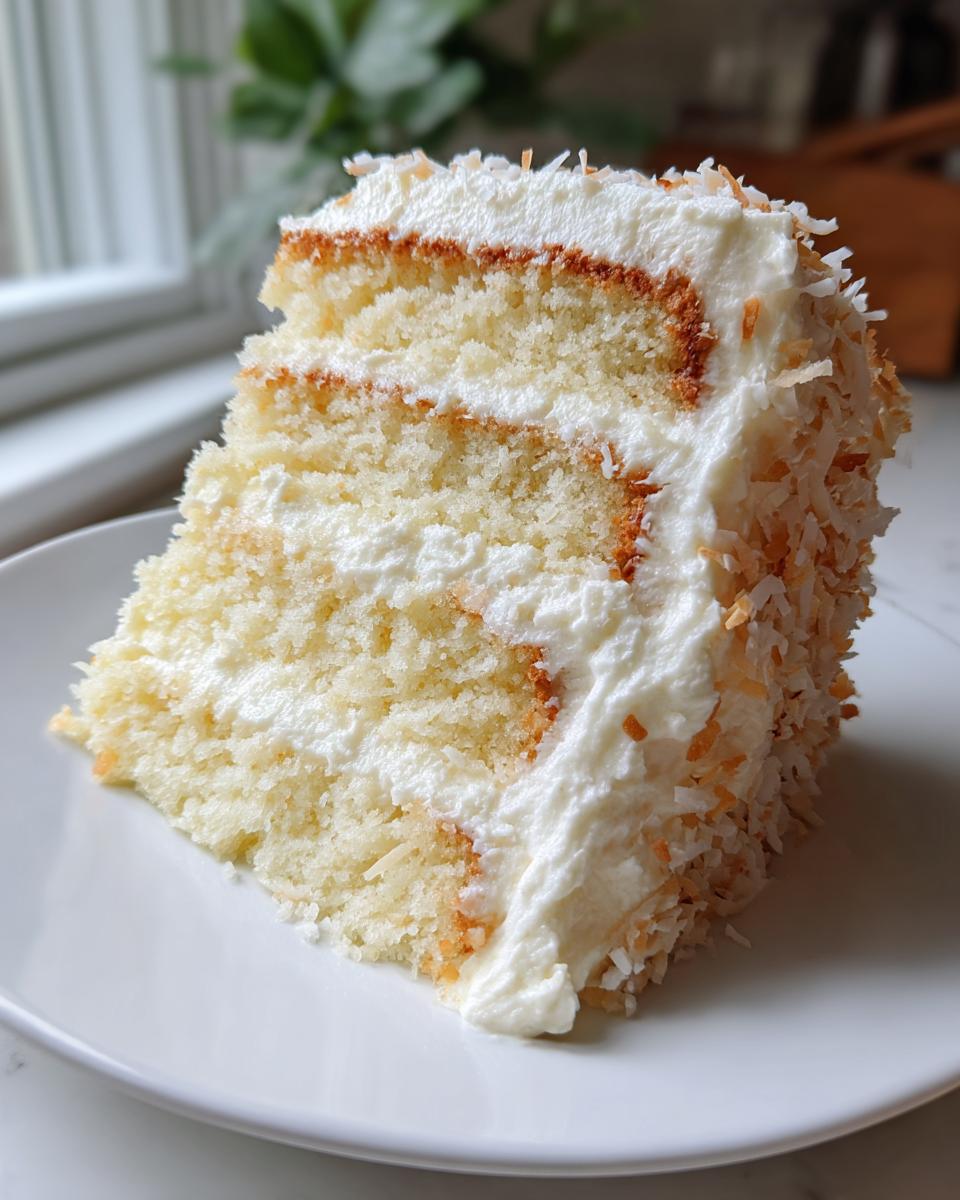
The flavor is one thing, but texture matters too! Those little flecks of coconut on the outside of your cake should be golden brown, not white and chewy, and definitely not burnt! Toasting them just brings out this wonderful nutty aroma.
It’s super easy, but you have to keep an eye on them because they go from perfect to charcoal in seconds. Spread your extra sweetened flaked coconut out in a very thin, single layer on a clean baking sheet. Pop that sheet into your 350°F (175°C) oven—yes, the same temperature as the cake, but WATCH IT! They usually take between 5 and 8 minutes. Pull them out the second they turn that perfect light golden brown color and spread them out on a plate immediately to stop the cooking process. That’s how you get those gorgeous, aromatic little garnishes for your Southern coconut cake.
Variations on the Classic Coconut Cake Recipe
Look, I love this creamy version with the tang of cream cheese, I really do, but sometimes you want a completely different vibe without starting a whole new bake. That’s the beauty of knowing how to bake a recipe from scratch—you can gently tweak the components to get a totally different outcome while keeping the cake itself moist and tender. If you’re looking for something like a quick, fun dessert, you might check out my recipe for an easy coconut poke cake, but for a fresh spin on the layer cake, here are a couple of ideas!
If you crave that super-rich, almost pudding-like texture you see talked about online, you’re probably looking for something closer to a coconut cream cake. You can get closer to that experience by making a custard-style filling to go between the layers instead of just using all frosting on the inside. For a truly luscious texture that screams paradise, check out the recipe linked here at Bazar Recipe for inspiration on that creamy filling style.
Making an Old Fashioned Coconut Cake
If you are aiming for that nostalgic, true old fashioned coconut cake, the frosting is really the place to focus your attention. While my cream cheese frosting is delicious, it’s certainly modern! For a more traditional approach that your grandma might have made, you need to swap it out.
Instead of the cream cheese combination, try whipping up a classic, airy seven-minute frosting. It’s made with egg whites and sugar cooked over a double boiler until it’s incredibly white, shiny, and holds stiff peaks. It’s much lighter than buttercream and gives that beautiful, marshmallowy cap on top of your white coconut cake. Alternatively, a simple, traditional American buttercream (just butter, powdered sugar, a little milk, and vanilla) works wonderfully too. That slight texture change in the topping instantly moves your tropical cake dessert toward that classic Southern feel.
Serving Suggestions for Your Tropical Cake Dessert
Honestly, once this gorgeous coconut layer cake is sitting on the counter, it barely needs anything else to feel like a party. It’s so rich and beautifully adorned with those coconut flakes that it steals the show all by itself! But since we’re talking about making every meal special—even dessert—I always think about what complements that sweet, tropical flavor profile.
When I make this for a family birthday, I make sure the coffee is piping hot and strong. The robust flavor of dark roast coffee is fantastic for cutting through the richness of the cream cheese frosting. It’s a classic pairing, you just can’t go wrong!
If you’re serving this as a major holiday centerpiece, like for Easter or Christmas, try serving a very small slice alongside fresh berries—maybe some raspberries or sliced strawberries. The slight tartness of the berries really brightens up the whole plate. It just elevates the whole presentation!
And hey, if you happen to have any leftovers (which, let’s be real, is rare!), they are amazing the next day warmed up slightly with a side of my favorite soft and chewy snickerdoodle cookies for a little afternoon snack. I know, I know, cake *and* cookies? That’s how you win dessert night, every time. Keep it simple, keep it beautiful, and let that amazing coconut flavor do the talking!
Storage and Reheating Instructions for Coconut Cake Recipe Leftovers
Now, here’s the part where we talk about the aftermath. If, by some miracle of willpower, you actually have leftovers of this spectacular moist coconut cake, you need to store it correctly! Because we used that lovely cream cheese frosting, this isn’t a cake you can just leave sitting out on the counter for days.
The best way to handle any remaining slices of your homemade coconut cake is to get it into the fridge. Make sure you cover it tightly first. I use a large cake dome if I can, or I carefully wrap individual slices tightly in plastic wrap before popping them into an airtight container. The fridge is necessary to keep that cream cheese frosting safe and stable. Yes, the cold will make the cake feel a little firmer initially, but don’t worry about that!
The key to serving this cake later and having it taste like it just came out of the oven is bringing it back to temperature gently. Never serve this cake ice-cold! Take your wrapped slice out of the refrigerator about 30 minutes to an hour before you plan to eat it. Letting it sit on the counter allows the butter and cream cheese in the cake and the frosting to soften up just perfectly. That little bit of time warms the crumb slightly, activating all those wonderful coconut flavors we worked so hard to build in the batter.
If you need to serve it faster, you can try microwaving a single slice for just 5 to 10 seconds on low power. I usually only do this if I want it really cozy, maybe with a cup of hot tea. But honestly, letting it sit on the counter is the way to go; it’s much less risky than accidentally turning your coconut cake into a warm, gummy mess! That time on the counter is what brings back that perfect fluffy coconut cake texture.
Frequently Asked Questions About This Coconut Cake Recipe
I get so many questions whenever I share this recipe, which tells me you all love a great coconut cake as much as I do! Baking is all about troubleshooting, so let me tackle the top queries I always see about getting the very best results from this coconut cake recipe. Don’t hesitate to ask if yours isn’t turning out exactly as you hoped!
Can I substitute canned cream of coconut for the coconut milk?
That’s a great question, especially if you are craving that intense tropical kick. Canned cream of coconut (like Coco Lopez) is usually much sweeter and thicker than the pure unsweetened coconut milk we specified in the batter. If you absolutely must use it for that coconut cream cake flavor, I strongly recommend substituting only half of the amount required, and then cutting back on the granulated sugar in the main cake batter by about a half-cup. Otherwise, you risk a very dense, overly sweet cake that might not bake evenly!
Can I turn this into an easy sheet cake instead of a layer cake?
Absolutely! I use this technique when I need a quick dessert for a crowd or maybe when I don’t want to deal with stacking layers for a birthday cake idea. You can easily convert this batter into a 9×13 inch baking pan. Just grease and flour it well, and remember that because the batter is spread thinner, the baking time will drop slightly—probably down to 25 to 30 minutes. Since it’s a single layer, you can frost the entire top beautifully and cover it completely in toasted coconut. It’s a fantastic, easier presentation!
What is the best way to stop the coconut from burning on top?
This is such a common issue! The sugar coating on the sweetened flakes burns before the cake is even done. If you’re toasting the coconut for garnish (which you totally should!), follow the steps I laid out earlier and keep a close eye on it. If you are worried about the coconut baked *into* the cake layers, you can add that half-cup of coconut flakes during the folding stage, but hold off on adding any more until *after* the cake comes out of the oven and just before you frost it. If you find yourself looking for less conventional textures, you might want to check out the Coconut Poke Cake style, where the moisture comes from soaking the cake post-bake!
Is this recipe suitable for a holiday coconut cake?
Yes, this is a perfect holiday coconut cake! It feels elegant and special, making it a standout dessert for Easter or Christmas dinners. If you are making it for the holidays, I highly recommend making the cake layers one day ahead of time and wrapping them tightly. Then, the day of your gathering, just whip up the frosting and assemble. It keeps your hands free on the big day, which is how I manage my own busy schedule. For a different take, you can even investigate recipes for a classic white cake base if you want a slightly less intense flavor profile.
Nutritional Estimate for This Homemade Coconut Cake
I always keep things real around here, and that includes knowing what’s going into our bodies! While making things from scratch gives us total control over the ingredients, the sugar and fat content in a decadent dessert like this moist coconut cake can add up quickly. Please remember that the numbers below are just estimates based on the ingredients listed in the recipe and how we portion it for 12 servings. Your final counts will definitely vary based on brands used and exact portion sizes.
Here is a quick general idea:
- Serving Size: 1 slice
- Calories: 450
- Sugar: 45g
- Sodium: 280mg
- Fat: 22g
- Saturated Fat: 14g
- Unsaturated Fat: 8g
- Trans Fat: 0.5g
- Carbohydrates: 60g
- Fiber: 2g
- Protein: 5g
- Cholesterol: 75mg
Nutritional Estimate for This Homemade Coconut Cake
I always keep things real around here, and that includes knowing what’s going into our bodies! While making things from scratch gives us total control over the ingredients, the sugar and fat content in a decadent dessert like this moist coconut cake can add up quickly. Please remember that the numbers below are just estimates based on the ingredients listed in the recipe and how we portion it for 12 servings. Your final counts will definitely vary based on brands used and exact portion sizes.
Here is a quick general idea:
- Serving Size: 1 slice
- Calories: 450
- Sugar: 45g
- Sodium: 280mg
- Fat: 22g
- Saturated Fat: 14g
- Unsaturated Fat: 8g
- Trans Fat: 0.5g
- Carbohydrates: 60g
- Fiber: 2g
- Protein: 5g
- Cholesterol: 75mg
The Ultimate Moist and Fluffy Homemade Coconut Layer Cake with Cream Cheese Frosting
You make this classic Southern coconut cake from scratch for a moist and fluffy texture. This recipe features rich coconut flavor and a creamy coconut cream cheese frosting, perfect for any celebration.
- Prep Time: 25 min
- Cook Time: 35 min
- Total Time: 60 min
- Yield: 12 servings 1x
- Category: Dessert
- Method: Baking
- Cuisine: American
- Diet: Vegetarian
Ingredients
- 1 3/4 cups all-purpose flour
- 1 1/2 cups granulated sugar
- 1 tablespoon baking powder
- 1/2 teaspoon salt
- 1 cup unsweetened coconut milk (full fat)
- 1/2 cup unsalted butter, softened
- 4 large eggs
- 1 teaspoon vanilla extract
- 1/2 cup sweetened flaked coconut, plus more for coating
- 1 teaspoon coconut extract
- For the Frosting: 8 ounces cream cheese, softened
- 1/2 cup unsalted butter, softened
- 4 cups powdered sugar, sifted
- 1/4 cup coconut milk
- 1 teaspoon coconut extract
Instructions
- Preheat your oven to 350°F (175°C). Grease and flour two 9-inch round cake pans. Line the bottoms with parchment paper.
- In a large bowl, whisk together the flour, sugar, baking powder, and salt.
- In a separate bowl, whisk together the 1 cup of coconut milk, softened butter, eggs, vanilla extract, and 1 teaspoon of coconut extract until combined.
- Pour the wet ingredients into the dry ingredients. Beat with an electric mixer on medium speed until just smooth. Do not overmix.
- Gently fold in the 1/2 cup of sweetened flaked coconut.
- Divide the batter evenly between the prepared cake pans.
- Bake for 30 to 35 minutes, or until a toothpick inserted into the center comes out clean.
- Let the cakes cool in the pans for 10 minutes before inverting them onto a wire rack to cool completely.
- While the cakes cool, prepare the frosting: Beat the softened cream cheese and butter together until smooth. Gradually add the powdered sugar, alternating with the 1/4 cup of coconut milk and 1 teaspoon of coconut extract, beating until the frosting is light and creamy.
- Once the cakes are completely cool, place one layer on a serving plate. Spread a layer of frosting over the top. Place the second layer on top.
- Frost the top and sides of the entire cake with the remaining cream cheese frosting.
- Press extra sweetened flaked coconut onto the top and sides of the cake for a decorative finish.
Notes
- For an extra moist cake, you can soak the cooled layers lightly with a simple syrup made from equal parts sugar and water, flavored with a splash of coconut extract before frosting.
- To toast the coconut flakes for garnish, spread them on a baking sheet and bake at 350°F (175°C) for 5-8 minutes, watching closely to prevent burning.
- If you want a stronger coconut flavor, substitute 1/4 cup of the all-purpose flour with fine, unsweetened coconut flour.
Nutrition
- Serving Size: 1 slice
- Calories: 450
- Sugar: 45g
- Sodium: 280mg
- Fat: 22g
- Saturated Fat: 14g
- Unsaturated Fat: 8g
- Trans Fat: 0.5g
- Carbohydrates: 60g
- Fiber: 2g
- Protein: 5g
- Cholesterol: 75mg