

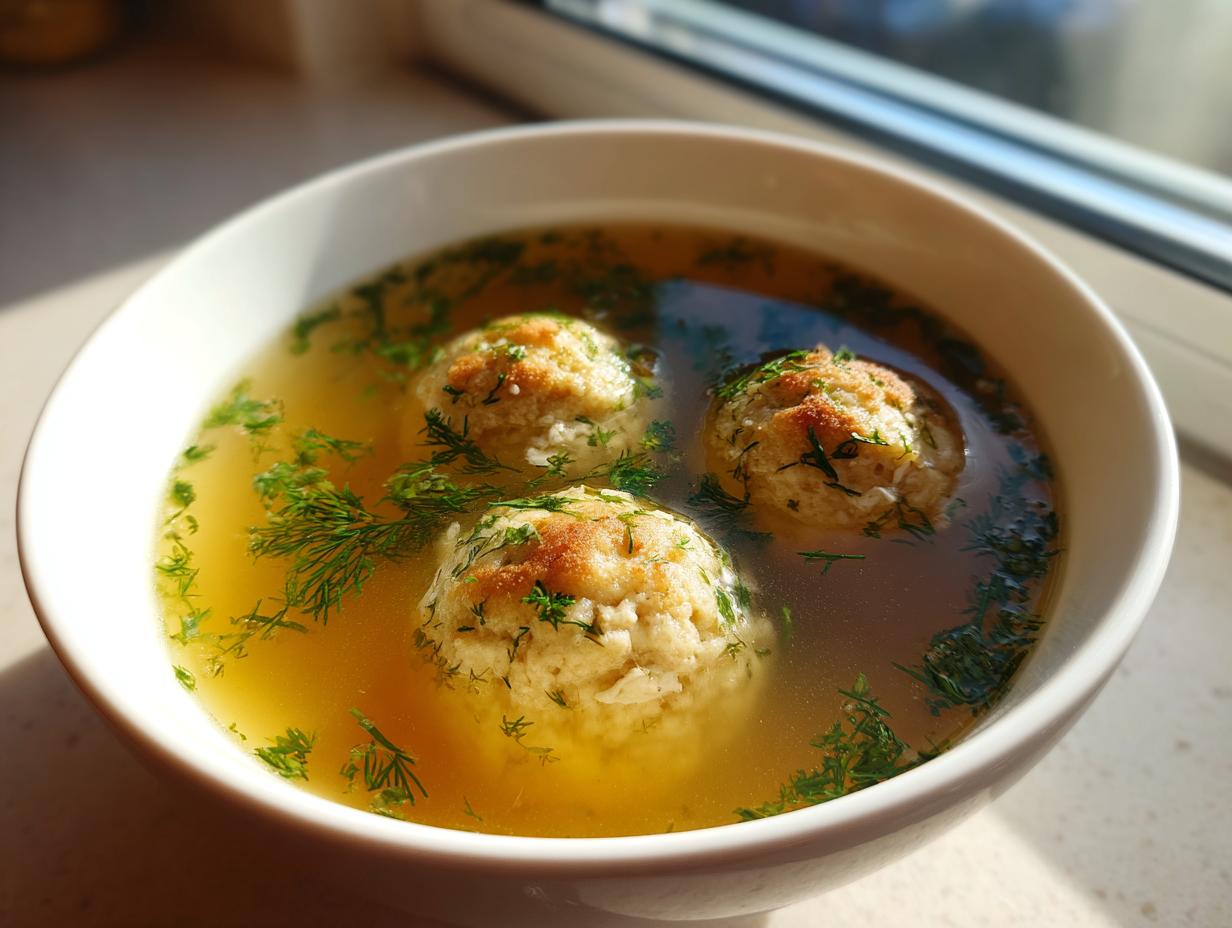
When someone asks what the ultimate healing food is, I instantly think of that rich, golden liquid that chases away the chills: Jewish penicillin soup. Forget those watery, bland versions you might have grabbed from a can; this recipe is about deep flavor and that magical, cloud-like matzah ball that floats perfectly. I’m Ava Sinclair from Cheffinity, and when I bring this soup to the table, I’m channeling my own mom, who perfected the art of maximum flavor using minimum fuss after long hospital shifts.
This isn’t just another recipe—it’s the definitive guide we use in our kitchen. We’ve tested every step to make sure you get that crystal-clear broth and tender dumplings, even if your weeknights are total chaos. Trust me, this is the most satisfying and authentic hug-in-a-bowl you’ll ever make.
- Why This Jewish Penicillin Soup Recipe Works for Busy Cooks
- Gathering Ingredients for Jewish Penicillin Soup
- Step-by-Step Instructions for Jewish Penicillin Soup Stock
- Crafting Fluffy Matzah Balls Without Sinking
- Serving Your Authentic Jewish Penicillin Soup
- Tips for the Best Chicken Soup for Winter Variations
- Storage and Reheating Instructions
- Frequently Asked Questions About Jewish Penicillin Soup
- Nutritional Snapshot of This Traditional Jewish Comfort Food
Why This Jewish Penicillin Soup Recipe Works for Busy Cooks
I know you’re busy, so I promise this recipe cuts corners on effort, not on flavor. It’s famous for a reason! Even though it takes time, most of it is hands-off. You get the absolute best homemade chicken soup recipe because we rely on one key factor: a long, slow simmer.
- We guarantee a clear broth—no cloudy disappointments here!
- The simmering time means virtually zero active cooking while your house smells incredible.
- The matzah ball technique is foolproof for that light, fluffy texture every time.
If you’re looking for quick weeknight dinners that don’t compromise, this is it. Just set it and forget it!
Gathering Ingredients for Jewish Penicillin Soup
Okay, the secret to that incredible, shimmering gold broth starts right here with your ingredients. For the best homemade chicken soup recipe, you can’t skimp on the core components. We are building a deeply flavorful foundation. If you get this part right—the chicken choice and the mirepoix ratio—you’re halfway to the most comforting pot of jewish penicillin soup you’ve ever made. Don’t substitute canned broth for this; we’re going from scratch!
For the Flavorful Chicken Broth
You need a whole chicken—don’t just grab breasts! The bones and skin give you that richness. Lay everything out before you start, because once the water is heating up, things move fast:
- 1 whole chicken (about 4-5 lbs), cut into pieces
- 2 large yellow onions, quartered
- 4 carrots, roughly chopped
- 4 celery stalks, roughly chopped
- 1 large parsnip, peeled and chopped (I always include this for sweetness!)
- 1 bunch fresh dill
- 1 bunch fresh parsley
- 1 teaspoon whole black peppercorns
- 1 tablespoon kosher salt (plus more to taste)
- 8 quarts cold water
For the Tender Matzah Balls (Kneidlach)
This part needs a little secret weapon to keep them light and prevent sinking. The seltzer water is non-negotiable for that floaty texture. Once you have these, you’re ready for the magic:
- 1 cup matzah meal
- 2 large eggs, lightly beaten
- 1/4 cup schmaltz (rendered chicken fat) or vegetable oil
- 1 teaspoon kosher salt
- 1/4 teaspoon ground white pepper
- 1/4 cup seltzer water or club soda (It MUST be chilled!)
Step-by-Step Instructions for Jewish Penicillin Soup Stock
Getting that perfectly clear, golden broth—the very essence of jewish penicillin soup—is all about technique during the cooking phase. Don’t rush this part! My mom always told me that the stock builds its own flavor profile as long as you respect the heat setting. If you follow these steps exactly, you’ll nail that from scratch chicken soup guide standard every time. It’s relaxing once you get into the groove of it.
Building the Base and Skimming for Clarity
First, put everything—yes, even the herbs and whole peppercorns—into your giant pot and cover it all with 8 quarts of COLD water. Starting cold is vital! As you bring it up to a simmer very slowly, watch the surface. Right as it starts to bubble, you’ll see gray foam—scum—rise up. Grab a large spoon or a small mesh skimmer and take off *every single bit* of that foam for the first 15 minutes. This is how you achieve those pristine clear jewish soup stock tips. Don’t skip the skimming!
The Slow Simmer for Maximum Flavor
Once that surface is looking relatively clean, immediately drop the heat so it’s just barely simmering—we want tiny, lazy bubbles, not a rolling boil. We cook this for a minimum of 3 hours, but 4 hours is better for deep penetration of flavor. When I make this, I always check it at the 3-hour mark to gauge the richness. After that long, carefully fish out the chicken and vegetables. Then, strain that beautiful liquid through cheesecloth into a clean pot. Discard the solids, taste your broth for salt, and get ready for the matzah balls!
Crafting Fluffy Matzah Balls Without Sinking
Okay, let’s talk about the dumplings, because this is where most people fail! They end up with dense hockey pucks instead of those light, pillowy morsels you dream about. If you want that perfect texture, you need to follow these mixing and chilling rules exactly. We are aiming for tender matzah ball dumplings here, not doorstops!
Mixing and Chilling the Matzah Ball Batter
After you’ve strained your **best homemade chicken soup recipe** stock, whip up the matzah ball mix. Grab your matzah meal, salt, and pepper, and mix them first. In another bowl, gently combine the eggs, the schmaltz (or oil), and that secret ingredient—the chilled club soda. When you combine wet and dry, mix it *just* until everything comes together. Seriously, stop when you see streaks! Overmixing develops gluten, and that’s what sinks them. Once combined, cover the bowl and put it in the fridge for at least 30 minutes. Chilling is essential; it lets the matzah meal properly soak up all that moisture without turning mushy.

Cooking Matzah Balls to Perfection
When you’re ready to cook, bring a separate pot of salted water to a gentle simmer. Remember, we are not making a churning boil! A frantic boil breaks the delicate dumplings. Wet your hands, and gently roll the chilled mixture into balls. I roll mine about 1 to 1.5 inches across, because they double in size. Carefully drop them in the barely simmering water, cover the pot fully, and let them cook for a good 30 minutes. They float when they’re nearly done, but check one in the middle to make sure it’s not dense. That’s the magic touch for **fluffy matzah balls without sinking**!
Serving Your Authentic Jewish Penicillin Soup
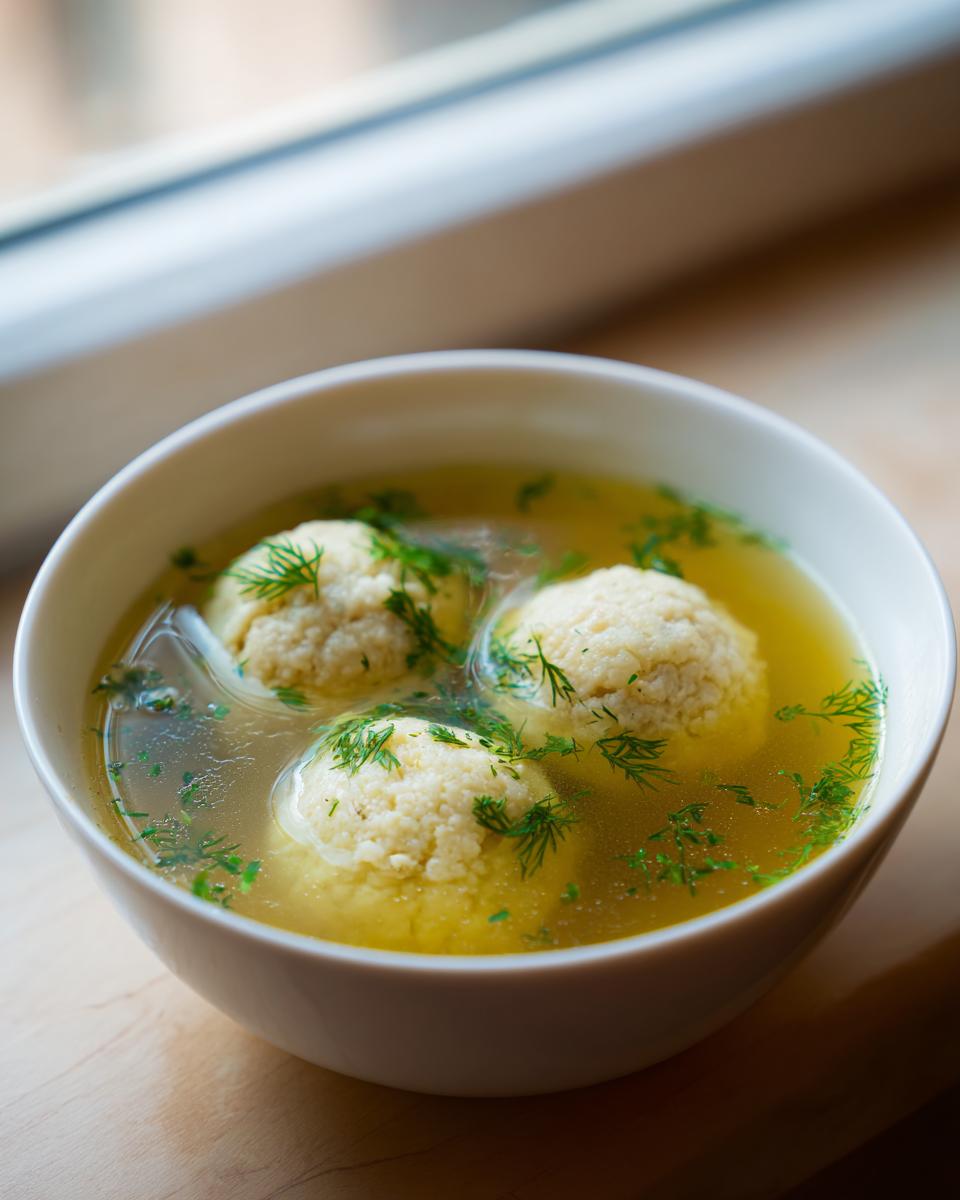
This is the reward for all that slow simmering! Once your matzah balls are cooked, gently remove them from their cooking water and place them right into your serving bowls. Remember those gorgeous, softened carrots you strained out earlier? Those are the best part to add back in—they’re packed with savory flavor now! You can shred some of the chicken meat you pulled off the bones and add that in too. Then, take your perfectly clear, hot broth and ladle it over everything. A fresh sprinkle of dill right at the end is non-negotiable for that classic aroma. This soup pairs amazing with a simple side, like our creamy red potato salad when you need something hearty.
Tips for the Best Chicken Soup for Winter Variations
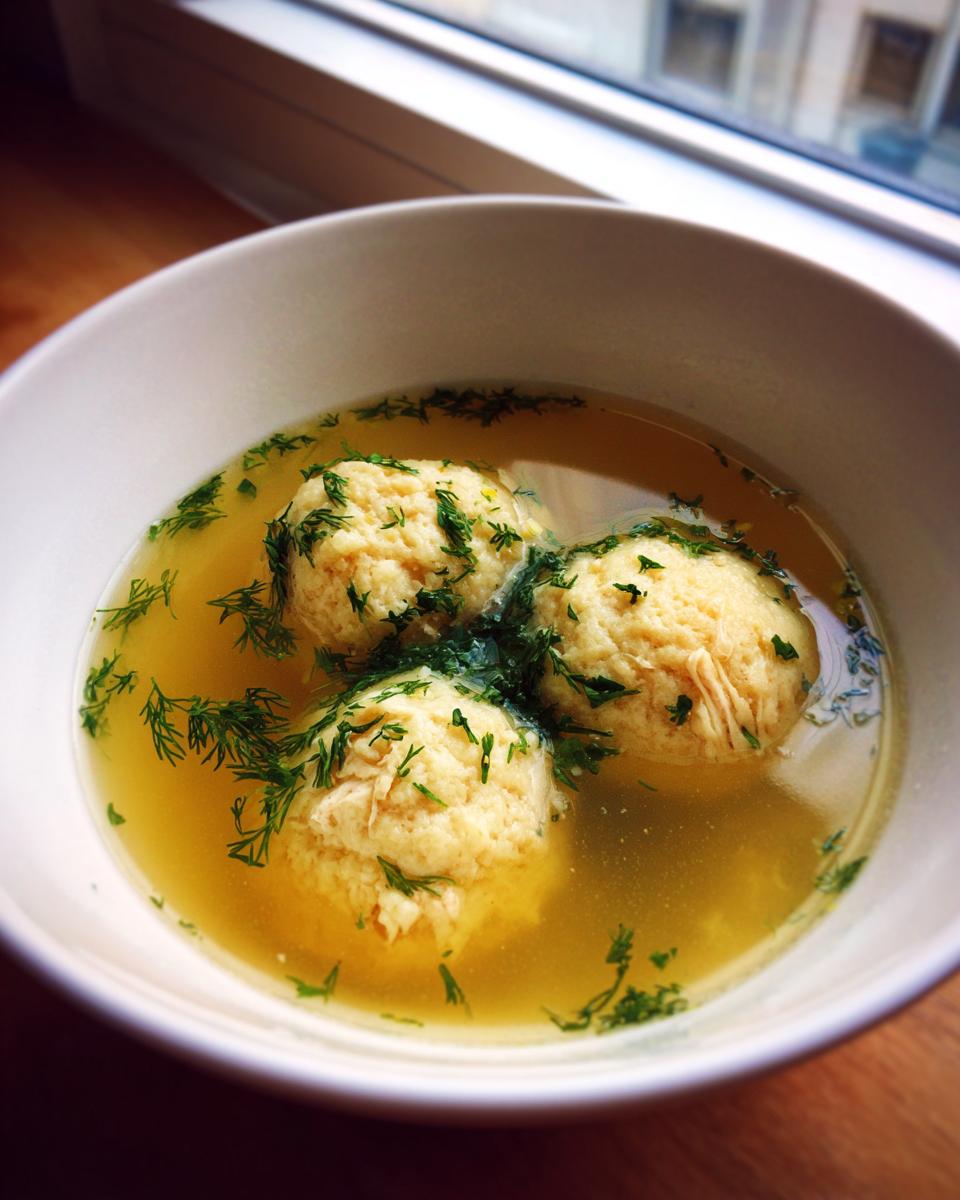
Now that you’ve mastered the classic, let’s talk about making this jewish penicillin soup work for your week, especially when you need that deep comfort during the cold months. While the simmered stock is king, I know sometimes you just can’t stand over a pot for four hours. I totally get it! We can certainly adapt this using smarter appliances.
If you want to use your slow cooker for the broth—yes, you absolutely can make a great crock pot chicken and rice style stock that works beautifully—just make sure you still take the time upfront to skim that initial foam! That’s the trade-off for ease; you have to manually ensure clarity before walking away for the afternoon.
Another thing: customization is encouraged! This recipe is robust enough to handle additions. If you want a more filling meal, boil some egg noodles separately (we don’t want them getting mushy in that good broth!) and add them just before serving. Or, if you are leaning heavily into the veggie aspect, toss in a few extra chopped celery roots or even a handful of mushrooms alongside your main vegetables for that earthy depth. It truly is the best chicken soup for winter because it’s versatile, no matter how you serve it.
Storage and Reheating Instructions
Alright, you’ve made the best soup ever, and you definitely have leftovers! You do *not* want to store the matzah balls in the broth, trust me on this. They will absorb everything and turn into a sad, soggy mess by morning. The key to leftovers is separation. Store your gorgeous, clear broth in an airtight container in the fridge—it usually lasts a solid five days because we cooked it so thoroughly.
As for those fluffy miracles? Keep the cooked matzah balls in a separate, sealed bag or container. They stay perfect for about three or four days in the fridge. If you need longer storage, this soup freezes beautifully. Freeze the broth in freezer-safe bags or containers, leaving an inch of headspace. You can also freeze the cooked matzah balls on a baking sheet first, then toss them into a sealed bag; this keeps them from sticking together.
When it’s time to eat, just reheat the broth gently on the stove—don’t bring it back to a hard boil. Drop your desired number of matzah balls right into the hot broth just before serving, and let them warm through for about five minutes. That way, they soak up *just enough* flavor without losing their beautiful, airy structure. It tastes just as good as it did the first day!
Frequently Asked Questions About Jewish Penicillin Soup
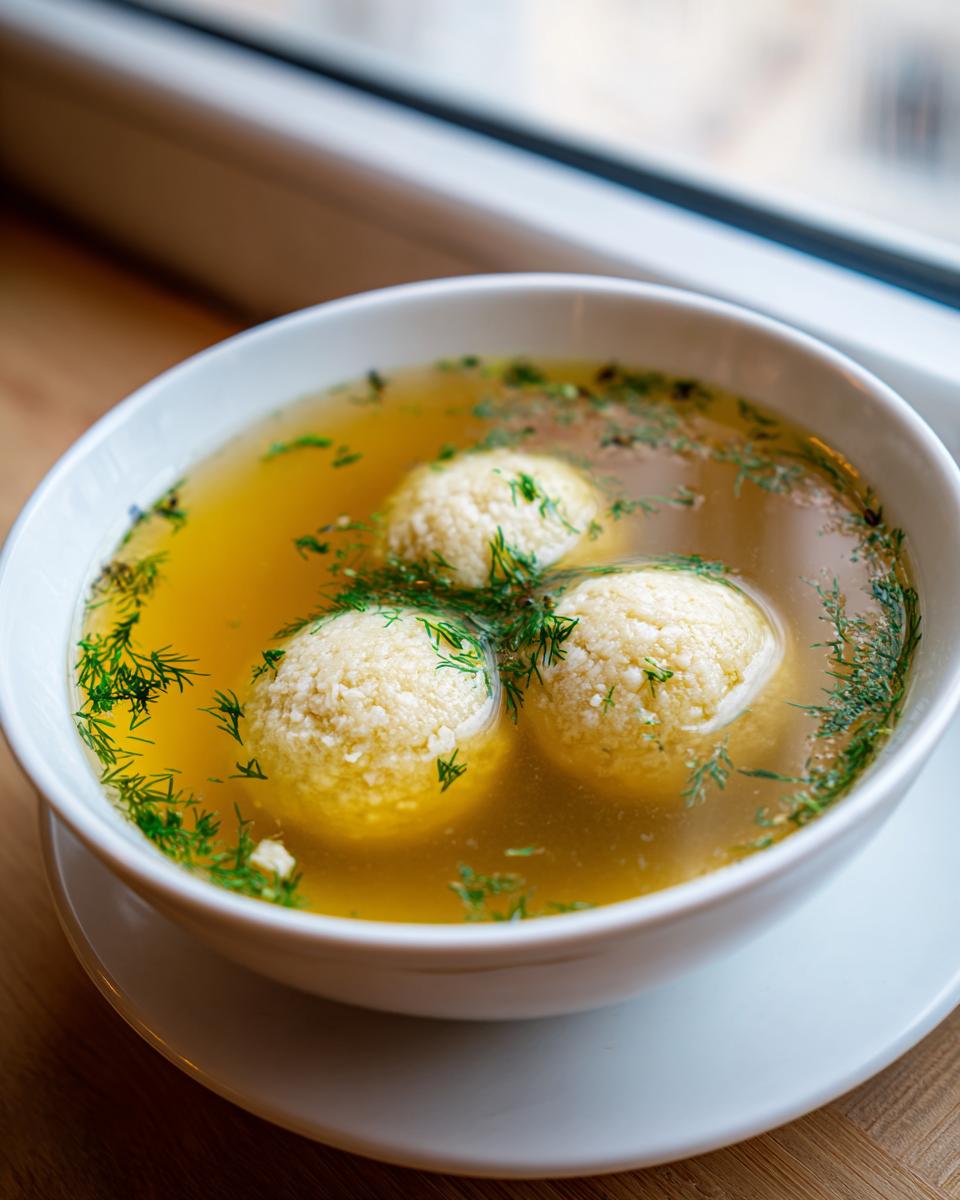
I know when you’re diving into something as traditional as this, questions pop up! After all, we want this jewish penicillin soup to be just right—the ultimate in healing and flavor. Here are a few common things people ask me when they try this recipe for the first time in their own kitchens.
Can I make this recipe vegetarian?
Oh, I love this question! You absolutely can adapt this recipe for a hearty, vegetable-forward soup, though it won’t technically be “penicillin” without the chicken. The key here is focusing on that deep flavor profile you’d normally get from the bones. For a fantastic healthy lunch recipe alternative, skip the chicken entirely. Instead, use high-quality vegetable stock as your base (or add water and let the veggies do the heavy lifting). You’ll want to focus on the vegetable rich chicken soup preparation by roasting your root vegetables first—especially parsnips, mushrooms, and huge chunks of onion—before simmering them. Roast them until they start to caramelize; that dark color adds richness that plain simmered vegetables just can’t replicate.
What is schmaltz and can I skip it?
Schmaltz is simply rendered chicken fat, and it’s what gives the oldest versions of this soup—and authentic matzah balls—that unbelievable, luscious mouthfeel and deep, savory taste. It’s the result of slowly rendering down the chicken skin and fat when preparing the stock. It’s traditional, but definitely not mandatory!
If you’re looking for a lighter dish or sticking to a different diet, you can 100% skip it. The recipe calls for vegetable oil or you can easily use melted, unsalted butter. While you’ll lose a tiny bit of that old-world depth, the seltzer water and eggs will still work their magic to keep those matzah balls fluffy! Don’t let a single ingredient stop you from making this wonderful traditional jewish comfort food.
Nutritional Snapshot of This Traditional Jewish Comfort Food
I promised you flavor, but I also wanted to give you an idea of what’s in this bowl of incredible comfort. Remember that this is an estimate based on the basic ingredients listed, especially the broth; the matzah balls definitely contribute to the carb count! It’s a surprisingly high-protein, satisfying meal that truly nourishes you, whether you’re fighting a cold or just facing a chilly evening.
- Serving Size: 1.5 cups broth with 3 matzah balls
- Calories: 280
- Fat: 12g (Saturated Fat: 3g)
- Protein: 18g
- Carbohydrates: 25g
- Sodium: 550mg
Take those numbers with a grain of salt, though! If you load up on extra chicken or skip the fat when skimming, these values will shift. But as far as traditional jewish comfort food goes, this is a wonderfully balanced option!
PrintAuthentic Jewish Penicillin Soup with Fluffy Matzah Balls
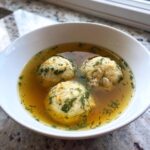
Follow this guide to make the best homemade chicken soup, known as Jewish Penicillin, complete with a clear, flavorful broth and tender, light matzah balls.
- Prep Time: 30 min
- Cook Time: 4 hours
- Total Time: 4 hours 30 min
- Yield: 8 servings 1x
- Category: Soup
- Method: Simmering
- Cuisine: Jewish
- Diet: Low Fat
Ingredients
- 1 whole chicken (about 4–5 lbs), cut into pieces
- 2 large yellow onions, quartered
- 4 large carrots, roughly chopped
- 4 celery stalks, roughly chopped
- 1 large parsnip, peeled and chopped (optional)
- 1 bunch fresh dill
- 1 bunch fresh parsley
- 1 teaspoon whole black peppercorns
- 1 tablespoon kosher salt (plus more to taste)
- 8 quarts cold water
- For Matzah Balls: 1 cup matzah meal
- 2 large eggs, lightly beaten
- 1/4 cup schmaltz (rendered chicken fat) or vegetable oil
- 1 teaspoon kosher salt
- 1/4 teaspoon ground white pepper
- 1/4 cup seltzer water or club soda (chilled)
Instructions
- Place the chicken pieces, onions, carrots, celery, parsnip, dill, parsley, peppercorns, and 1 tablespoon of salt into a very large stockpot.
- Cover the ingredients completely with cold water. Bring the water slowly to a boil over medium-high heat. Skim off any foam or scum that rises to the surface during the first 15 minutes of boiling. This step is key for a clear broth.
- Once the broth is clear of scum, reduce the heat immediately to the lowest setting so the liquid barely simmers. Cover the pot partially and cook for 3 to 4 hours. Do not let it boil rapidly.
- Remove the chicken and vegetables from the pot using a slotted spoon. Strain the broth through a fine-mesh sieve lined with cheesecloth into a clean pot or large bowl. Discard the solids.
- Taste the strained broth and adjust salt as needed. This is your flavorful chicken broth.
- To make the matzah balls: In a medium bowl, combine the matzah meal, salt, and pepper.
- In a separate small bowl, whisk together the beaten eggs, schmaltz or oil, and chilled seltzer water.
- Pour the wet ingredients into the dry ingredients and mix gently until just combined. Do not overmix.
- Cover the matzah ball mixture and refrigerate for at least 30 minutes, or up to 2 hours. This allows the meal to absorb the liquid.
- Bring a separate medium pot of salted water to a gentle simmer (not a rolling boil).
- Wet your hands and gently roll the chilled mixture into balls about 1 to 1.5 inches in diameter. They will expand during cooking.
- Carefully drop the matzah balls into the simmering water. Cover the pot and cook for 25 to 35 minutes, or until they float and are tender when pierced.
- To serve, place several matzah balls in a bowl, add shredded chicken meat if desired, and ladle the hot, clear chicken broth over them. Garnish with fresh dill or parsley.
Notes
- For the clearest broth, start with cold water and maintain a very low simmer after the initial skimming.
- To achieve light and fluffy matzah balls, use chilled seltzer water and avoid overmixing the batter.
- If you prefer a richer broth, skim off the fat (schmaltz) that rises to the top after chilling the stock overnight in the refrigerator, then reheat gently.
Nutrition
- Serving Size: 1.5 cups broth with 3 matzah balls
- Calories: 280
- Sugar: 5
- Sodium: 550
- Fat: 12
- Saturated Fat: 3
- Unsaturated Fat: 9
- Trans Fat: 0
- Carbohydrates: 25
- Fiber: 2
- Protein: 18
- Cholesterol: 75