

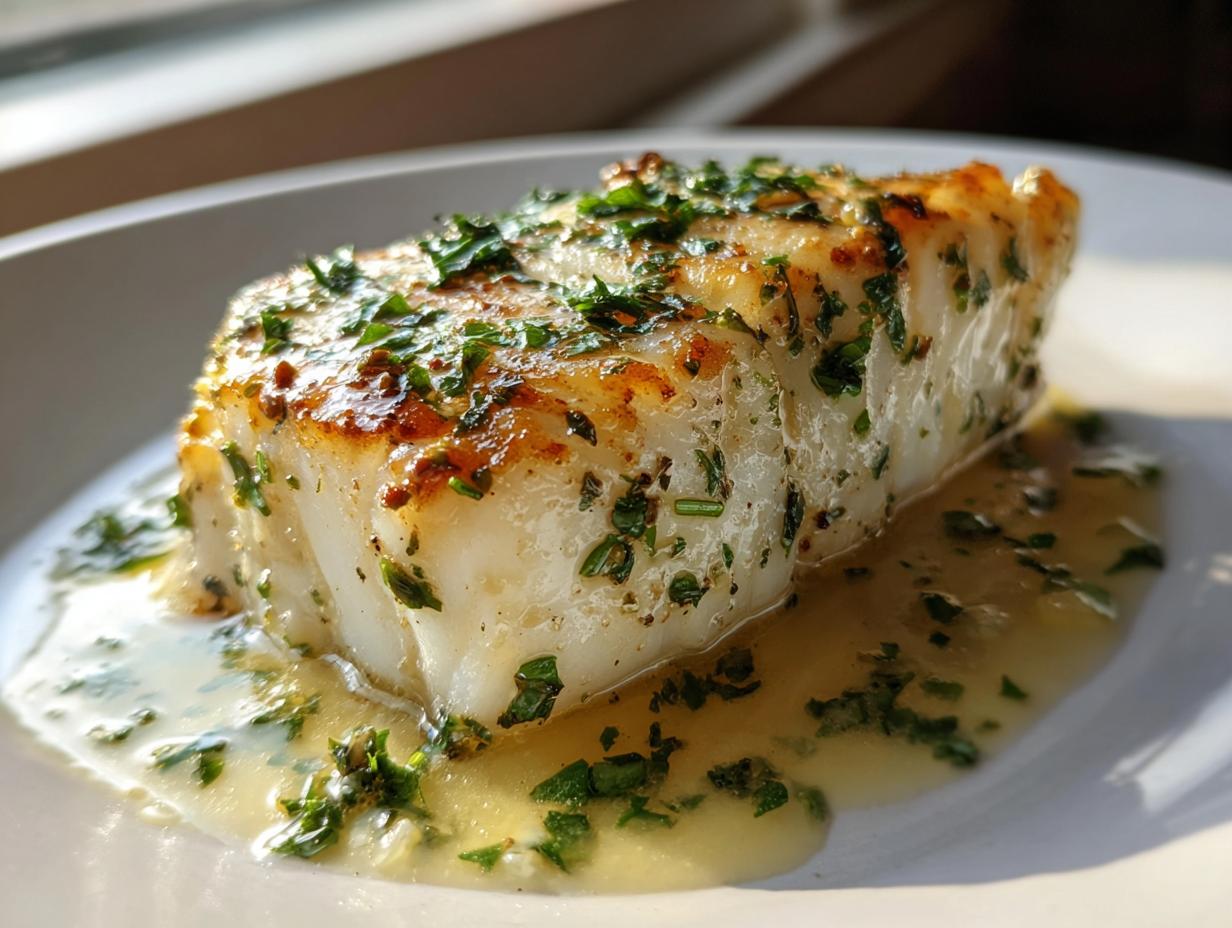
Okay, let’s talk about the seafood you thought only existed when you had a reservation. You know the feeling—you want something luxurious, something that just melts in your mouth, but you look at the clock and realize you only have forty minutes before you need to sit down to eat. Sound familiar? I hated feeling like I had to order out just to get that perfectly seared, buttery fish. That’s why I spent ages streamlining this exact Chilean Sea Bass Recipe. Trust me, after years of market testing recipes while juggling spreadsheets, I figured out the shortcut to weeknight fine dining. This isn’t complicated; it’s just smart cooking, yielding an amazing, restaurant-style result that feels way too easy.
- Why This Pan Seared Chilean Sea Bass Recipe Delivers Restaurant Style Fish
- Essential Ingredients for Your Chilean Sea Bass Recipe
- Step-by-Step Instructions for Pan Seared Chilean Sea Bass
- Tips for Success: How to Cook Chilean Sea Bass Perfectly
- Serving Suggestions for Your Elegant Fish Mains
- Storage and Reheating Instructions for Buttery Sea Bass Dinner
- Frequently Asked Questions About This Chilean Sea Bass Recipe
- Nutritional Estimates for Your Meal
- Share Your Weeknight Fine Dining Success
Why This Pan Seared Chilean Sea Bass Recipe Delivers Restaurant Style Fish
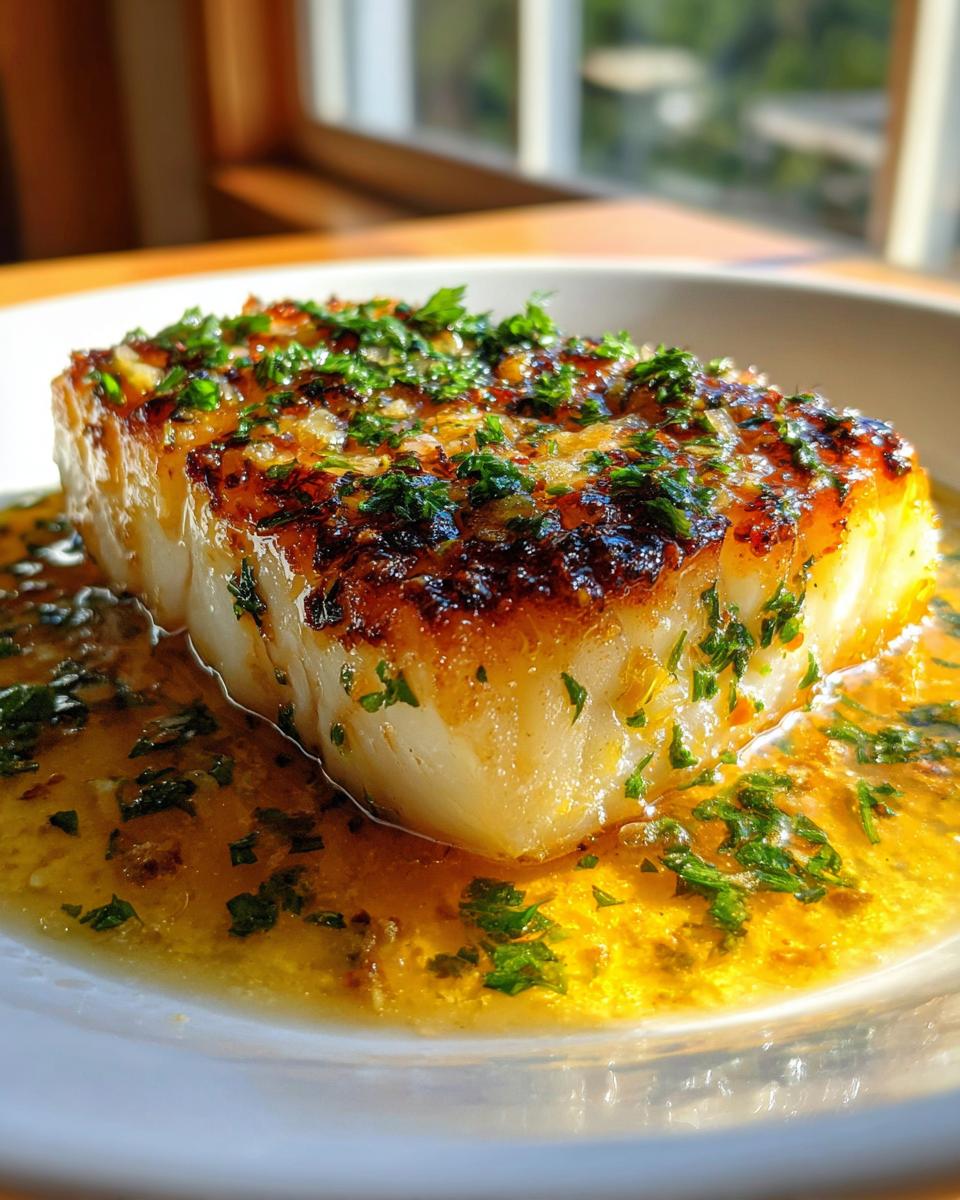
I know what you want when you ask for the Chilean Sea Bass Recipe; you want the flaky, buttery magic you get at those fancy spots, but for Tuesday night. That’s exactly what we nailed here. Forget fussy underwater poaching! This method is your ticket to Easy Gourmet Seafood without spending your whole evening standing over the stove.
- It’s fast! Total cook time is under 25 minutes—perfect for a Quick Seafood Dinner.
- The exterior gets that gorgeous golden crust everyone loves.
- The inside stays unbelievably moist, flaky, and tender.
- That lemon-garlic butter sauce? That’s the flavor that makes it feel truly special.
Honestly, the technique is what separates a good fish from a legendary one.
Achieving That Perfect Buttery Sea Bass Dinner Texture
The secret to that melt-in-your-mouth experience is how we handle the heat. We start with high, hot heat for a quick sear. This locks in flavor and gets that crucial crisp exterior we all crave. That beautiful crust means we don’t have to worry about the fish falling apart while cooking.
Then, we transition straight to the oven bath. This finishes the cooking gently from all sides, guaranteeing you a tender, Flaky Sea Bass Technique every single time. It’s the perfect marriage of crust and tenderness that means whatever you serve alongside it—the Best Sea Bass Sides—will shine. This method honors how delicate this fish is!
Essential Ingredients for Your Chilean Sea Bass Recipe
Okay, let’s look at what you need for this stellar Chilean Sea Bass Recipe. Since this fish is so naturally rich, we don’t need a mile-long shopping list. Simplicity is elegance here, right? We are letting that beautiful fish flavor shine through with just a few key players.
- Two (6 ounce) Chilean Sea Bass fillets—make sure they are about 1.5 inches thick!
- One tablespoon olive oil for the initial sear.
- One tablespoon unsalted butter for searing.
- Kosher salt and black pepper—don’t skimp on seasoning!
- Two minced cloves of garlic—fresh, please, this makes a difference.
- Two tablespoons fresh lemon juice—only fresh juice works here.
- Two tablespoons unsalted butter, cold and cut into little pieces for swirling in at the end.
- One tablespoon chopped fresh parsley for color.
That’s it! See? Nothing too crazy for a Restaurant Style Fish experience.
Ingredient Notes and Substitution Guidance
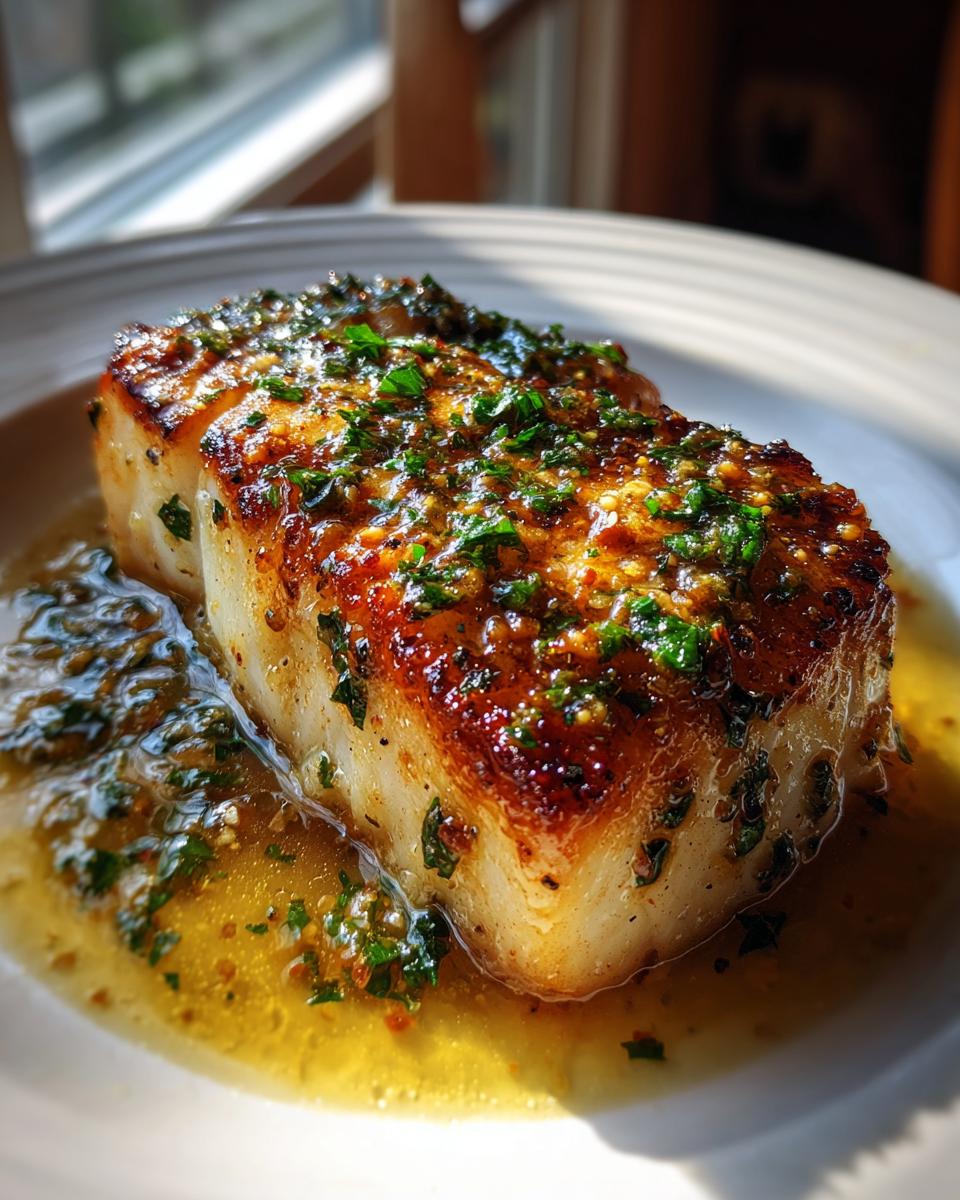
When you’re dealing with a premium cut like this, ingredient quality really matters. First thing: thickness. If your fillets are too thin—say, under an inch—you’re going to burn the outside before the inside even gets close to flaky. You *must* have that thickness for the pan-sear to oven-finish technique to work right.
Now, for that sauce! That last bit of butter—the two tablespoons—must be cold and cut up, just off the fridge. When you whisk that cold fat into the warm lemon liquid off the heat, it binds together beautifully, creating that luscious, thick emulsion. If your butter is soft, you aren’t making a sauce; you’re just making oily fish. Trust me on the cold butter; it’s the make-or-break for the luscious finish!
Step-by-Step Instructions for Pan Seared Chilean Sea Bass
This is where the magic happens, and honestly, it is so quick you’ll be shocked you pulled off this amazing Chilean Sea Bass Recipe on a weeknight. We need to work fast, but without rushing the critical steps, especially for that gorgeous exterior. If you’ve ever struggled with keeping your chicken breasts juicy, these initial drying steps might look familiar—we are serious about moisture control here for getting that perfect crust. For great results across the board, make sure you’re checking out my method for making sure chicken stays juicy when cooking because the principle of surface moisture is the same!
- First thing first: grab your paper towels and pat those fillets absolutely dry. I mean bone dry! If there’s any surface moisture, that fish is just going to steam, and we are aiming for golden, not pale. Sprinkle your salt and pepper evenly across both sides after you’re certain they are dry.
- Next, put a heavy, oven-safe skillet—cast iron if you have it!—over medium-high heat. We need it hot. Toss in the olive oil and that first tablespoon of regular butter. Wait until the butter starts foaming and just barely looks like it might brown a little. That is your cue!
- Gently place the sea bass, presenting side facing down, into that hot fat. Do not touch it for four full minutes—I know it’s hard, but you must resist! We need that crust to build itself.
- Flip carefully. Now, lower that heat down to medium-low since we’re moving to the oven next. Drop in your minced garlic around the fish—not directly under it! Let that cook for maybe 30 seconds until you can smell it; garlic burns fast when it’s unprotected.
- Slide the whole skillet into an oven that you’ve already preheated to 400 degrees Fahrenheit (200 Celsius). You’re baking this for about 5 to 7 minutes. We are looking for an internal temperature of about 140 degrees Fahrenheit; it should flake beautifully when you test it.
- Pull the skillet out and immediately take the fish off the heat and put it onto your serving plates. We need that pan, but we need the temp down fast.
- Put the skillet back on the stovetop over the lowest heat setting possible. Pour in the fresh lemon juice and swirl it around to get all those lovely browned bits off the bottom of the pan.
- Now, take the pan *off* the burner entirely before you add those cold, cubed butter pieces. Whisk constantly until that butter melts and thickens the sauce up into something smooth and luxurious. Seriously, do not let it boil here!
- Spoon that brilliant lemon garlic-butter sauce right over your beautiful fish. A little sprinkle of fresh parsley on top finishes the presentation. Dinner time!
The Critical Searing Technique for Crispy Skin Sea Bass
I can’t stress this enough: the pan needs to be totally ready before the fish even thinks about touching it. Medium-high heat is perfect for that initial 4-5 minute sear. We are using both oil and butter because the oil raises the smoke point, and the butter gives us that incredible rich flavor as it browns up. When you place the fillet down, make sure you hear that confident sizzle immediately. If it whispers, the pan isn’t hot enough, and you’ll end up with soggy fish. Don’t move it until that crust is a deep, satisfying golden brown. That’s how you build a magnificent crust for your Pan Seared Chilean Sea Bass.
Finishing the Chilean Sea Bass Recipe in the Oven
Once you flip that fish after searing, the cooking changes up. If you try to cook fish this thick entirely on the stovetop, the bottom burns before the middle is done. That’s why we use the oven kiss! Set your oven nice and hot at 400°F. This ensures even heat penetration. When you pull it out, use a thermometer if you have one—hitting 140°F internal is the sweet spot for that perfectly tender, flaky texture. Pull it out just before you think it’s done, because it keeps cooking for a minute once it leaves the heat, and we absolutely do not want to overcook this delicate fish!
Creating the Lemon Butter Fish Recipe Sauce
This sauce step is pure restaurant magic, and it takes about 60 seconds, honestly. After the fish is out, deglaze the pan with the lemon juice on very low heat. Then, the absolute most important thing: remove the pan from the heat before adding the cold butter. If you add cold butter to boiling liquid, the fat separates; that’s called ‘breaking’ the sauce, and you’re left with greasy soup. We want an emulsion! Whisk it patiently until it looks creamy and coats the back of a spoon. That perfect, velvety sauce is the crowning glory of your incredible Lemon Butter Fish Recipe.
Tips for Success: How to Cook Chilean Sea Bass Perfectly
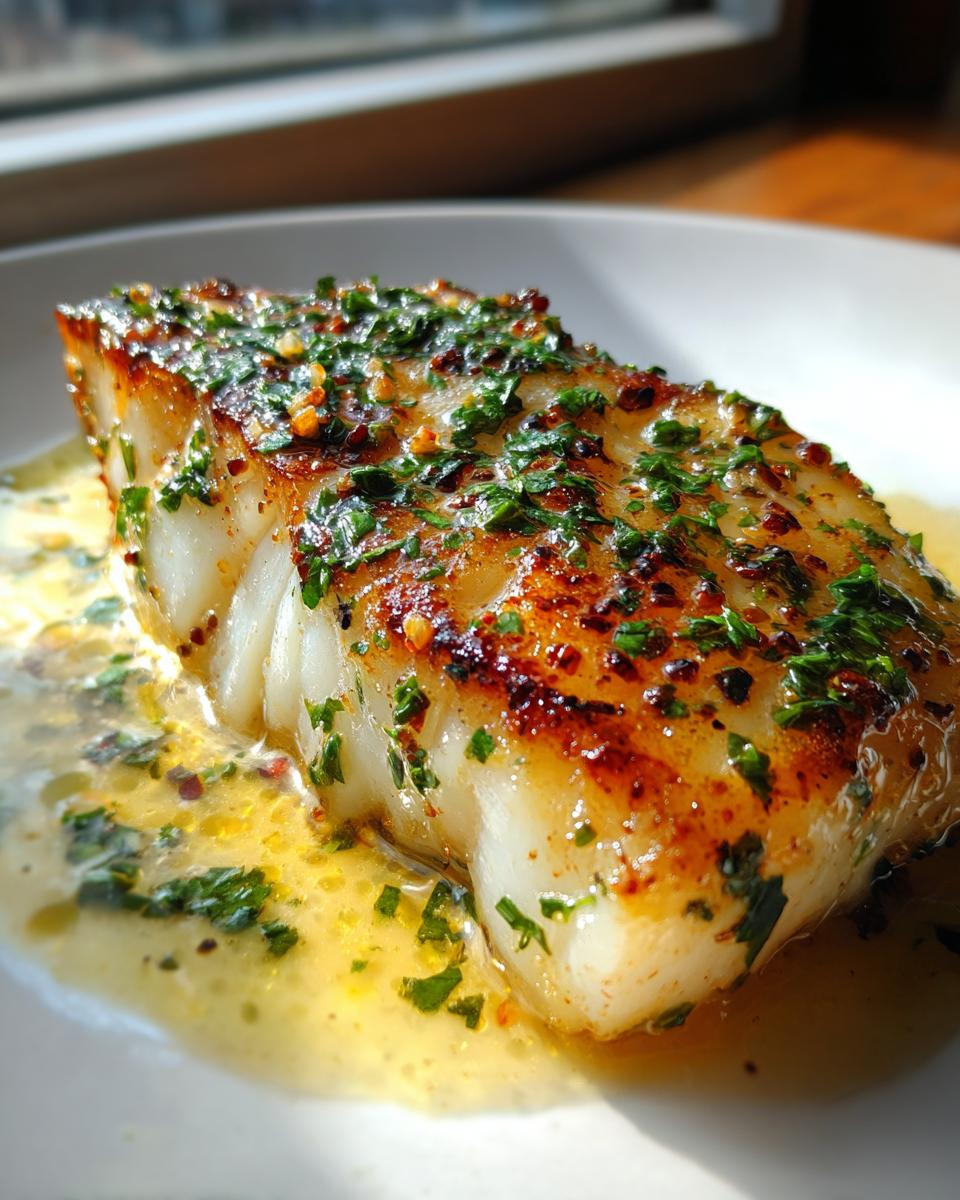
Now that you’ve nailed the main steps for your Pan Seared Chilean Sea Bass, let’s talk about the little things that take this from great to the kind of meal people talk about for weeks. Having made this for my own family after those long workdays, I’ve picked up a few tricks to guarantee that luxury texture, even when I’m running behind schedule. You are going to feel like you’re pulling off a genuine ‘Ruths Chris Sea Bass Recipe at Home’ without needing a professional kitchen!
First up: the pan. If you have a decent cast iron skillet, use it. Cast iron holds heat unbelievably well, and that consistent, strong heat is what guarantees you get that deep, golden sear quickly—it’s essential for that crisp exterior without drying out the inside. Seriously, put that pan on the heat five minutes before you’re ready to start; you want it seriously hot before the oil goes in.
My biggest fear, which I know you share, is overcooking this expensive fish. Chilean Sea Bass can go from flaky perfection to chalky disappointment in about 60 seconds flat. That 140°F internal temperature is your target, not your minimum. As soon as it hits that mark, pull it out of the oven immediately! Remember, every second it sits in the hot pan back on the stove, it’s still cooking due to residual heat. Better slightly underdone than over cooked, because it will coast up those last couple of degrees while you’re swirling the sauce.
Also, think about how you’re serving it. This rich flavor profile works fantastic next to something acidic or vibrant. Whenever I’m making something this buttery, I always make sure I have a bright, green side ready to go. If you need a quick, flavorful side to match the speed of this fish, you absolutely have to check out my recipe for easy steak fajitas—or just use those flavor techniques to quickly sauté some broccoli or green beans! The contrast keeps the whole plate feeling light and balanced.
Serving Suggestions for Your Elegant Fish Mains
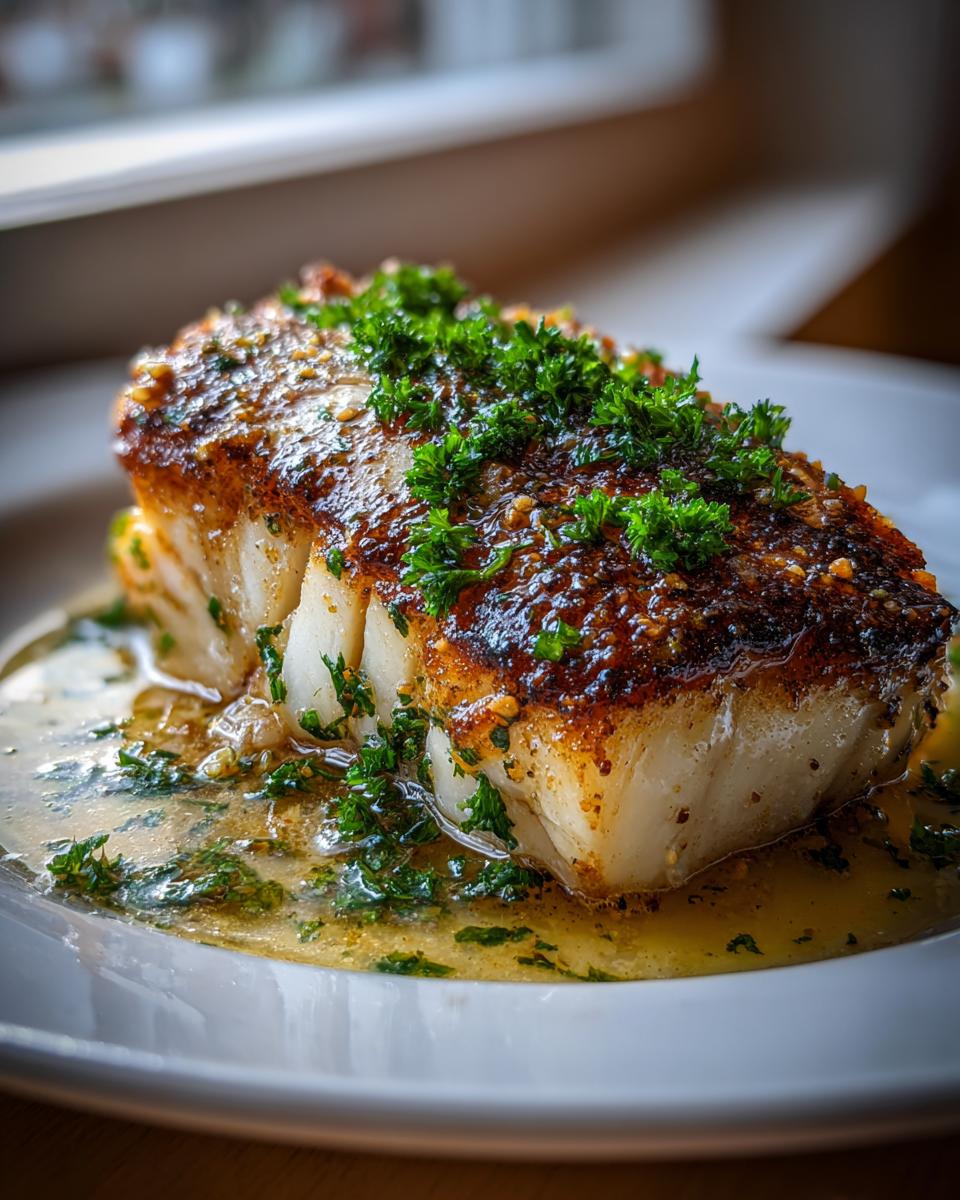
Okay, you’ve got this stunning, rich, buttery sea bass resting on the plate, gleaming under that garlic-lemon sauce. Now we can’t just dump it next to a sad, limp salad, right? We need something that complements the richness without fighting it. Since this Pan Seared Chilean Sea Bass is already luxurious, the sides we pick need to balance that out—think bright green veggies or something starchy to soak up every drop of that delicious pan sauce. This is where we put together the full Elegant Fish Mains experience!
When I’m planning what to serve, I always aim for one starch and one bright vegetable. It makes the whole meal feel complete and professional, even if you only spent 22 minutes making the main event. These are easily the Best Sea Bass Sides I’ve come up with over the years for wowing people at home.
- Starch Power: You need something to catch that sauce! Simple, creamy mashed cauliflower is lighter than potato, but if you want that decadent feel, you absolutely have to try my recipe for creamy red potato salad—just serve it warm without the mayo elements here! Also, fluffy jasmine rice always works perfectly.
- The Green Contrast: Asparagus is a non-negotiable side for me. It needs to be roasted quickly with just olive oil, salt, and pepper until it turns bright green. The slight bitterness is the perfect foil to the butter. Alternatively, steamed haricot verts tossed with toasted almonds are fantastic.
- Keep it Fresh: If you want zero cooking time, serve it alongside a simple arugula salad dressed very lightly with just olive oil, a dash of white wine vinegar, and maybe a few shaved Parmesan curls. The peppery arugula cleanses the palate beautifully between bites of the rich fish.
Whatever you choose, make sure it’s plated nicely. This fish deserves a little applause after all that effort you put into the sear!
Storage and Reheating Instructions for Buttery Sea Bass Dinner
Okay, if you somehow managed to have leftovers of this incredible Chilean Sea Bass Recipe—which, honestly, means you made a double batch because this stuff vanishes—we need to talk about storing it properly. You put in all that hard work achieving that flaky interior, and we sure don’t want to ruin it when reheating, right? This beautiful fish is delicate, so how you save it determines if it tastes great the next day or ends up dry.
My number one rule for any leftover fish, especially something this luxurious, is: never, ever, ever use the microwave if you can help it! The microwave is the enemy here. It blasts the moisture out instantly, and that beautiful, flaky sea bass texture turns rubbery and sad almost immediately. We want that buttery flavor to shine, not the smell of reheated fish wafting through the house.
The Best Way to Save Your Leftovers
When you’re putting it away, make sure that fish is totally cooled down, and discard any remaining sauce that sat directly on the plate, as the sauce can sometimes make the fish deteriorate faster. Store the fish fillets in an airtight container. If you happen to have extra fresh lemon or parsley, save those separately—they refresh the flavor perfectly later.
For the best results—which is what we always aim for on Cheffinity—treat it like a gentle revival. You have two good options here, depending on how much time you have for your reheat.
Gentle Reheating Options
If you have about 15 minutes, the oven is your savior. Preheat it low, maybe 275°F (135°C). Place the fish in a small, oven-safe dish. I like adding just a teaspoon of water or broth to the bottom of the dish and covering the whole thing tightly with foil. This creates steam, which gently coaxes the moisture back into the fish. Heat it just until it’s warmed through, usually about 10 minutes. It should be steaming, not sizzling.
If you are truly in a rush—the original recipe is a Quick Seafood Dinner, so the reheat should be quick, too! You can gently steam the fish. Use a steamer basket over simmering water for just 3 to 5 minutes. This traps the moisture perfectly and leaves you with that lovely, tender consistency. Top it with a tiny squeeze of fresh lemon juice when it comes out, and you’re good to go. See? It’s totally possible to enjoy your amazing Buttery Sea Bass Dinner again the next day without any drama!
Frequently Asked Questions About This Chilean Sea Bass Recipe
It’s totally normal to have questions when you’re working with a fantastic, but maybe unfamiliar, piece of fish like this! I always get asked about substitutions because people want to know if they can swap it out if they can’t find sea bass readily available. We want to make sure your Quick Seafood Dinner is always achievable, no matter what you have in the fridge!
Can I substitute cod or halibut for Chilean Sea Bass?
Yes, you absolutely can substitute! That’s the beauty of having a flexible recipe. However, you have to remember that Chilean Sea Bass is super high in fat, which gives it that iconic, luxurious texture. Cod and halibut are much leaner fish. They won’t yield that same buttery mouthfeel, but they are still delicious!
Because they are leaner, they cook faster and can dry out quicker. If you use cod or halibut, I’d recommend cutting down that oven time slightly—maybe start checking them at the 4-minute mark instead of 5. Also, you might want to add an extra dab of butter to the skillet when you add the garlic just to help keep those leaner profiles from sticking or drying out immediately. It’s a great way to make an air fryer salmon style crispiness on the stovetop, too!
Is this recipe similar to the Ina Garten Sea Bass Copycat?
Oh, people definitely ask about Ina! She has such great, clean recipes, and honestly, this method shares a lot of the same philosophy. If you’ve seen her way of doing things—getting that gorgeous sear and using simple, bright flavors—then yes, this is definitely in that same family! We both agree on the power of a good sear followed by gentle cooking to get that incredible flaky texture everyone craves in a Restaurant Style Fish dish. While the specific sauce ratios might differ slightly, the core technique for achieving that crisp exterior and flaky interior is spot on for that classic, elegant seafood experience. You can check out a similar approach right here: Ina Gartens Chilean Sea Bass Pan-Seared in 22 Minutes.
What is the best way to ensure a Quick Seafood Dinner?
The whole point of this masterpiece is speed, clocking in beautifully around 22 minutes total! But the *best* way to guarantee it stays quick is the prep work—what we call *mise en place* in kitchen-speak. Set yourself up for success before you turn on the stove. Measure out your salt and pepper, mince that garlic, have your cold butter cubed and waiting, and squeeze your lemon juice into a little bowl.
Because the actual cooking time is so short, if you have to stop and peel garlic or find the parsley, you risk overcooking the fish during that critical searing phase. Get everything ready to go into the pan first. Once the pan is hot, you just dump, sear, flip, bake, and sauce. That’s how you shave off those crucial five minutes and deliver a truly impressive meal without stress!
Nutritional Estimates for Your Meal
I always get asked about the numbers, especially when cooking something that feels this indulgent! Since we are using simple ingredients—fish, some butter, and lemon—it keeps things surprisingly streamlined nutritionally while still giving you that premium flavor. Just remember, these values are estimates based on the ingredients listed and how the sauce is prepared; cooking fats can always vary a little!
- Serving Size: 1 fillet
- Calories: 450
- Protein: 40g
- Fat: 30g (12g Saturated Fat)
- Carbohydrates: 2g
- Sugar: 1g
It’s a fantastic source of protein and feels like a genuine treat without loading you down. Enjoy that Buttery Sea Bass Dinner knowing it’s elegant *and* relatively balanced for a luxurious main course!
Share Your Weeknight Fine Dining Success
Whew! You made it! You tackled that gorgeous, high-end fish and turned it into a show-stopping, restaurant-quality meal right there in your own kitchen in under half an hour. Doesn’t that feel amazing? I totally get it, because when you pull off a successful Pan Seared Chilean Sea Bass, you deserve a little fanfare!
Now that you’ve experienced how easy it is to make an Elegant Fish Main on a regular Tuesday, I really need to know how it went. Did you get that deep golden crust? Did the lemon butter swirl come out exactly right? Don’t keep that culinary victory to yourself!
Please take a second and drop a star rating right below this—it seriously helps other busy cooks trust that this is the Chilean Sea Bass Recipe they need for their own weeknights. And if you have a moment, share a quick comment about what sides you paired with it! Knowing what works best for everyone else really helps us streamline our cooking strategies here at Cheffinity. For those interested in reading more about how we approach streamlined cooking systems, you can always pop over to our About Page.
If you want to see what others who loved this quick dish are up to, check out what they’re pinning over at Cosie Recipes! Go celebrate your success—you just conquered weeknight fine dining!
PrintRestaurant-Style Pan-Seared Chilean Sea Bass with Lemon Garlic-Butter Sauce
Make restaurant-quality Chilean Sea Bass at home tonight. This quick recipe yields a flaky interior and a crisp, golden exterior, finished with a simple, rich lemon garlic-butter sauce.
- Prep Time: 10 min
- Cook Time: 12 min
- Total Time: 22 min
- Yield: 2 servings 1x
- Category: Dinner
- Method: Pan-Seared
- Cuisine: American
- Diet: Low Fat
Ingredients
- 2 (6 ounce) Chilean Sea Bass fillets, about 1.5 inches thick
- 1 tablespoon olive oil
- 1 tablespoon unsalted butter
- 1/2 teaspoon kosher salt
- 1/4 teaspoon black pepper
- 2 cloves garlic, minced
- 2 tablespoons fresh lemon juice
- 2 tablespoons unsalted butter, cold and cut into pieces
- 1 tablespoon fresh parsley, chopped
Instructions
- Pat the Chilean Sea Bass fillets completely dry using paper towels. This step is key for achieving a crisp exterior. Season both sides evenly with salt and pepper.
- Place a large, oven-safe skillet (cast iron works well) over medium-high heat. Add the olive oil and 1 tablespoon of butter. Heat until the butter foams and begins to brown slightly.
- Carefully place the sea bass fillets, presentation side down, into the hot skillet. Sear undisturbed for 4 to 5 minutes until a deep golden-brown crust forms.
- Flip the fillets gently. Reduce the heat to medium-low. Add the minced garlic to the pan around the fish, cooking for 30 seconds until fragrant.
- Transfer the entire skillet to a preheated oven at 400 degrees Fahrenheit (200 Celsius). Bake for 5 to 7 minutes, or until the fish reaches an internal temperature of 140 degrees Fahrenheit (60 Celsius) and flakes easily with a fork.
- Remove the skillet from the oven. Transfer the fish to serving plates.
- Place the skillet back on the stovetop over low heat. Add the lemon juice and swirl to combine with the pan drippings. Remove from heat immediately.
- Whisk in the 2 tablespoons of cold butter, one piece at a time, until the sauce emulsifies into a smooth, rich consistency. Do not let the sauce boil.
- Spoon the lemon garlic-butter sauce over the sea bass fillets. Garnish with fresh chopped parsley before serving immediately.
Notes
- For the best results when pan-searing, ensure your fish is cold and your pan is hot before adding the oil and butter.
- If you prefer a crispier skin, you can skip the oven step and cover the pan after flipping, cooking on low heat until done, though this may slightly steam the top.
- Serve this buttery sea bass dinner with roasted asparagus or simple jasmine rice.
Nutrition
- Serving Size: 1 fillet
- Calories: 450
- Sugar: 1
- Sodium: 350
- Fat: 30
- Saturated Fat: 12
- Unsaturated Fat: 18
- Trans Fat: 0
- Carbohydrates: 2
- Fiber: 0
- Protein: 40
- Cholesterol: 110